Author Archives: gracienumber1

Japanese Encounter—M16 ArtSpace, Canberra

I was thrilled to be able to visit Japanese Encounter on the weekend, an exhibition of Japanese contemporary art, by Japanese artists, artists inspired by Japan, anime screenings, and bonsai display at M16 ArtSpace in Griffith. The exhibition runs from 10 – 27 July and is is a great way to educate your kids during the holidays into Japanese art and culture through drawings, paintings, and movies. Canberra is of course the sister city of Nara which is in the Kansai region of Japan, and directly borders the Kyoto Prefecture.

sky-flying fish (oil on canvas) by Makiko Kudo

sky-flying fish (oil on canvas) by Makiko Kudo

The exhibition is presented by the Japan Foundation and the Embassy of Japan, and these gorgeous gentle artworks include Winter Garden: the exploration of Micropop, featuring works by 14 Japanese artists active from 1990 – 2010 and includes Koko Tanaka (Japan’s 2013 Venice Biennale artist). The exhibition explores the ways in which Japanese artists see our contemporary era—a time when shared values are hard to establish, and looks at the efforts of artists to make the most of the poverty and boredom inflicted by contemporary life to reorganise various aspects of their everyday activities and reinvent modest and everyday materials. Continue reading

Canberra Icon – The Magic Roundabout

Having fun on the Merry-go-Round

If you grew up in Canberra the Civic Merry-go-Round (or Carousel) is an icon. Even if you didn’t grow up here you know what and where it is. It’s carried thousands of children round and round while parents wait on the sideline; it’s been restored and repainted a number of times, and on 13 March celebrated 40 years of putting a smile on the faces of Canberra kids. But its life started long before that, and this year the merry-go-round also celebrates 100 years of operation.  

Carousel1


Continue reading

Tom Yum Thai


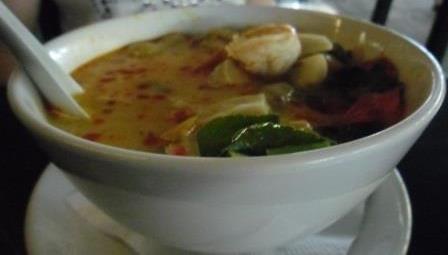
I love Thailand and I love Thai food. On a recent visit we decided to get the low-down on Tom Yum Kung, or Tom Yum Goon as it’s sometimes known in Australia, and the most well-known dish on Thai menus. This hot and sour soup includes enormous prawns and is a popular starter for most meals and comes in a number of variations including Tom Yum Hed (vegetarian but contains mushrooms), Tom Yum Paa (with chicken), Tom Yum Thale (mixed seafood), and Tom Yum Nam Khon—a creamy version that contains coconut milk. After sampling the classic (Kung) dish in a number of Bangkok restaurants we finally managed to get the secret from Tip Top Restaurant at the Pat Pong Market.

Traditional Tom Yum Kung

Traditional Tom Yum Kung

Hot and sour is the key to the soup and the main flavours come from chilli and lime. But there are also undertones of salt and this comes from the fish and soy sauces, and you should be able to detect the chilli, lime, salt, and to some extent ginger, in every spoonful of Tom Yum. Continue reading

Home is where the heart is?

Australians travel—a lot. They spread themselves across the planet and almost everywhere you go you’ll find them. Some reside there permanently; others are just visiting, and others are there for specific number of years. As world-wide travellers where is home? What is home? And what does home mean?

I call Canberra home; it’s where I live, it’s where I work and play, it’s where my family live, and I’ve lived here longer than anywhere else. But it wasn’t where I was born, or where I grew up. So what does home actually mean?

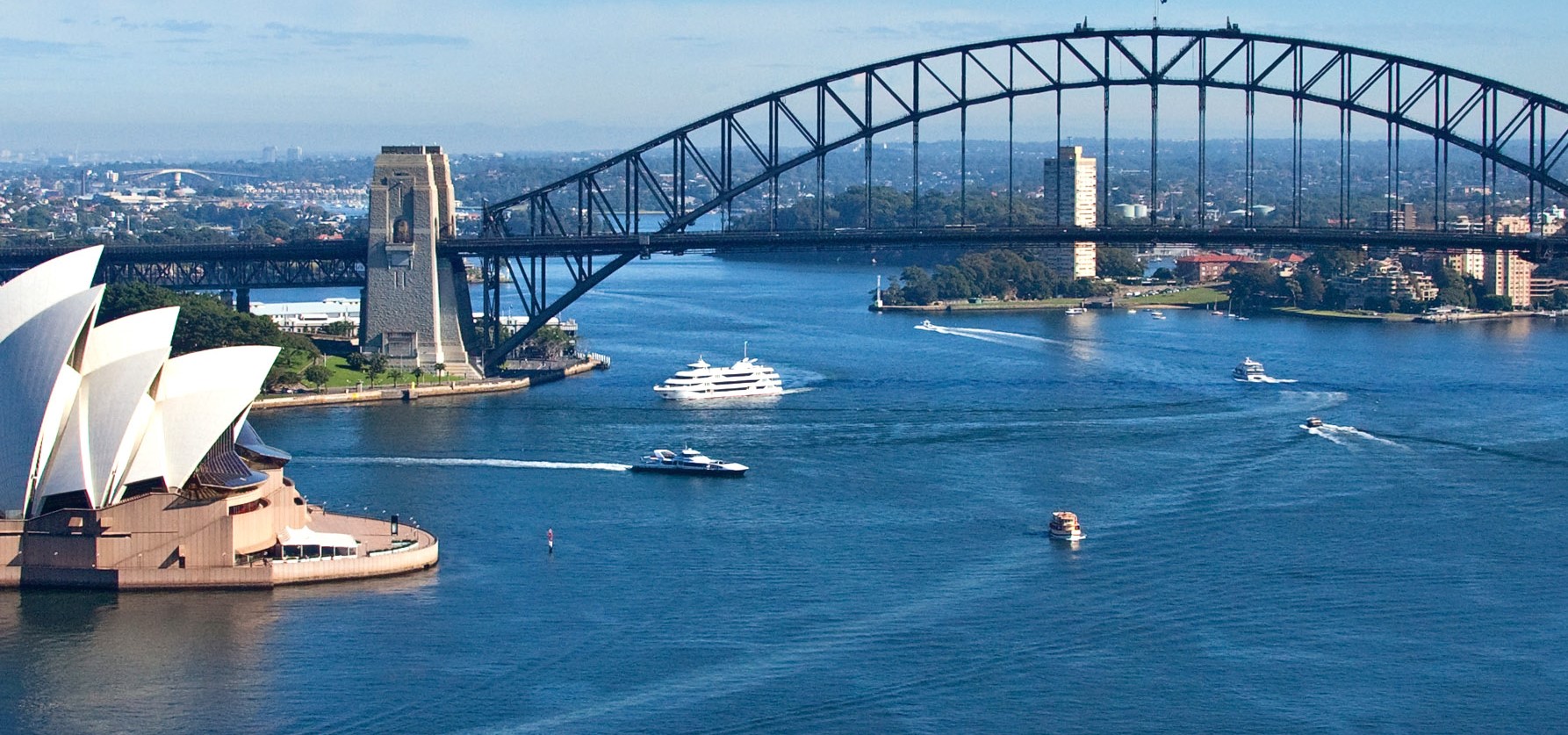
sydney harbour

Continue reading

FASHFEST 2014 Opening Night!

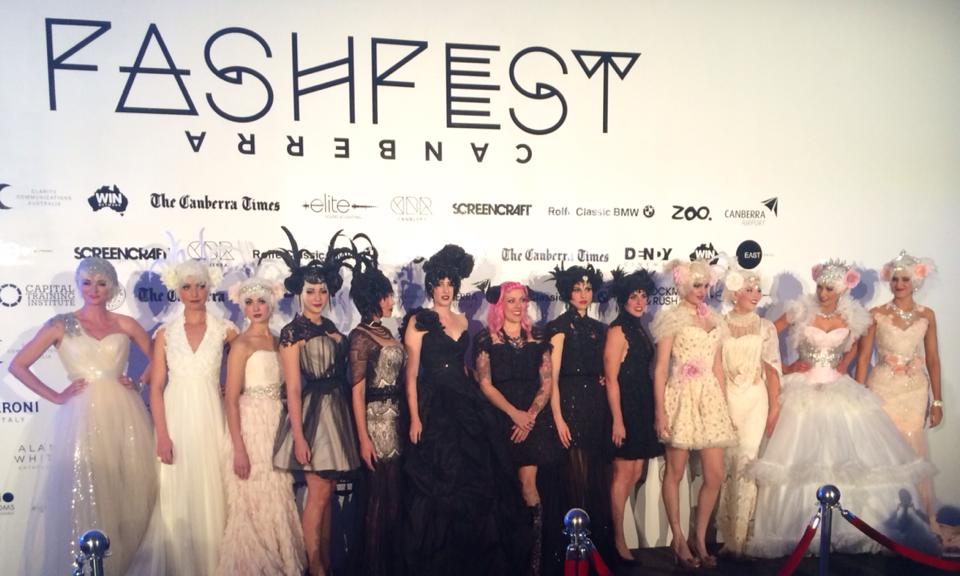
FASHFEST—Opening Night Rocks Canberra #fashfest

Rocked sideways with Rockstars and Royalty’s amazing gowns #rockstarsandroyalty by Vicki Kidd-Gallichan.

Rockstars and Royalty at FASHFEST 2014 #rockstarsandroyalty

Rockstars and Royalty at FASHFEST 2014 #rockstarsandroyalty

Mingled with the beautiful people last night (30 April) at FASHFEST 2014 opening night. The champagne flowed, the selfies smiled, the VIPs were very … VIP, and the taste of anticipation was almost too much to bear. Continue reading

RIP Chinua Achebe

Chinua Achebe died on 21 March 2013. He was 82 years young.

It’s not often we can look back on our life and pinpoint that definitive moment, person or thing that, in retrospect, changed our life. But Chinua Achebe did that for me.

I’ve always been a reader. In primary school I think I read every book that Enid Blyton ever wrote—from Noddy to the girls at Mallory Towers. In high school I did what every good English Lit student did—I read the classics and Shakespeare—ploughing my way through Dickens and Austen, and moving on to Tolstoy and Chekhov. The cult books of Tolkien and Mervyn Peake held my attention for a while but nothing really left a lasting impression—or grabbed my heart so tight that I never, ever, forgot.

Until I found Chinua Achebe.

By now I had moved from England to Australia and was studying for the HSC (equivalent to A levels in the UK), and one of my subjects was, not surprisingly, Literature. A list of books was provided and we were told to choose one. I looked at the list and came across one I’d never heard of. Things Fall Apart by Chinua Achebe. ‘Who’s this?’ I asked—not even sure I could pronounce his name. ‘African writer’ said the teacher, ‘…very powerful book’.

The book blurb told me that Achebe was Nigerian and this was his first novel. He’d written the book in 1958 and it had become one of the first African novels written in English to achieve global acclaim.  Interestingly, Achebe took his title from Yeats’ poem The Second Coming* which I had read. So I chose Achebe’s book and it came home with me.

Set in the 1890s, the main protagonist is Okonkwo, a tribal leader and champion among his people, the Ibo. Okonkwo’s life is good and he is comparatively wealthy, when an accident causes his family to be exiled from the village for seven years. On his return he discovers the white men have arrived in his village and have introduced religion to the people. Okonkwo tries to rally the people to fight the white men but then he realises that his people will no longer fight and have accepted the white men’s teachings.

I remember how I felt when I read it. I felt Okonkwo’s rage and anger, then his despair and desperation as he realised the history and culture of his people were being debased and subsumed and he was powerless to stop it. But I also felt sad for Okonkwo and his inability to cope, and work, with the changes and development offered to his people—medicines, education, and equality.

The village could have been anywhere; Okonkwo could have been anyone, and times change, and some people cope and some don’t. It still happens today for everyone one of us.

For me, this book opened my eyes to the real power of words.

It grabbed my heart.

Thank you, Chinua Achebe.


*The Second Coming by William Butler Yeats

Turning and turning in the widening gyre
The falcon cannot hear the falconer
Things fall apart; the centre cannot hold
Mere anarchy is loosed upon the world.

Cook Islands—Pearl of the Pacific

There’s not a lot of industry on Rarotonga, or Raro as it’s known. There’s tourism, and there’s tourism, and there’s pearls—and did I mention tourism? Oh, and there’s also weaving and quilting, but more about those later. On a recent visit to Raro we decided to do some pearl shopping, and you can’t do pearl shopping without learning the history of the Cook Island pearls.

There are pearls everywhere. You can buy them in souvenir shops (but they’re probably not very good quality) or from a jewellers, or you can visit a pearl outlet—there are a few dotted around the island. At the pearl outlets you can choose your pearl (or pearls) and design, or make your own design with the help of the jeweller. You can choose silver or gold settings (gold being obviously more expensive) and can select from varying shades of white, pink and black pearls.

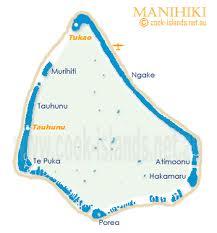
The black pearl is local to the Cook Islands, and is farmed on the island of Manihiki in the northern group. The Cook Islands is made up 15 islands dotted over almost 2million square metres of ocean—that’s almost the size of India—and is made up of two groups; the southern group, and the northern group.

cook is map Manihiki is a small atoll that sits on top of an underwater mountain. Its stunning internal lagoon is 10 kilometres across with 43 tiny motus (islets) strung along the reef like a string of pearls. The pearl farms are dotted around the lagoon, and on the west of the island at Tauhunu are the pearl carvers.

Manihiki

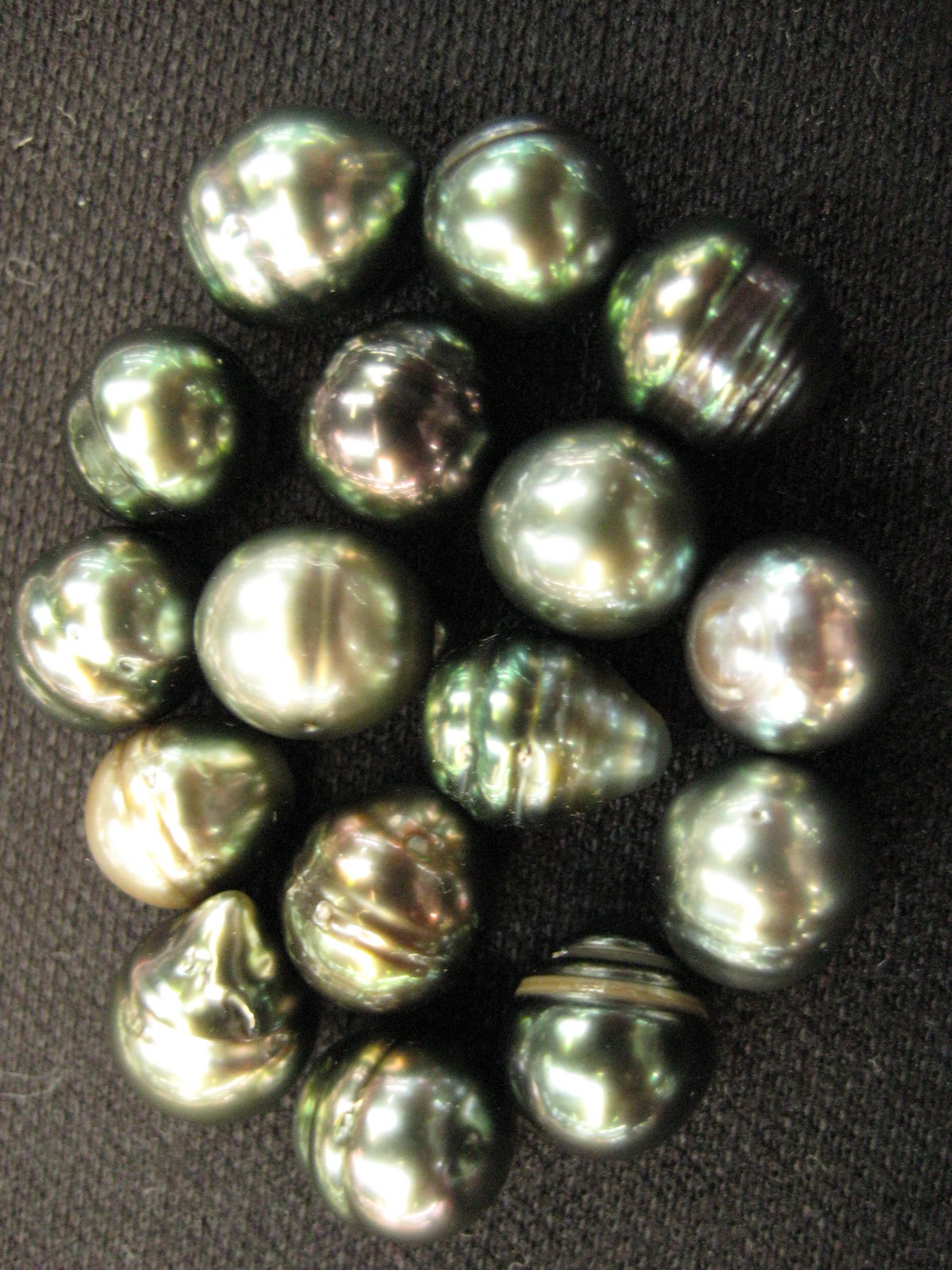
The pearls are sorted into quality, lustre and size. Small pearls (like the ones below) are suitable for necklaces, ear-rings and bracelets. Larger pearls tend to be used in pendants and rings.

pearls sorted

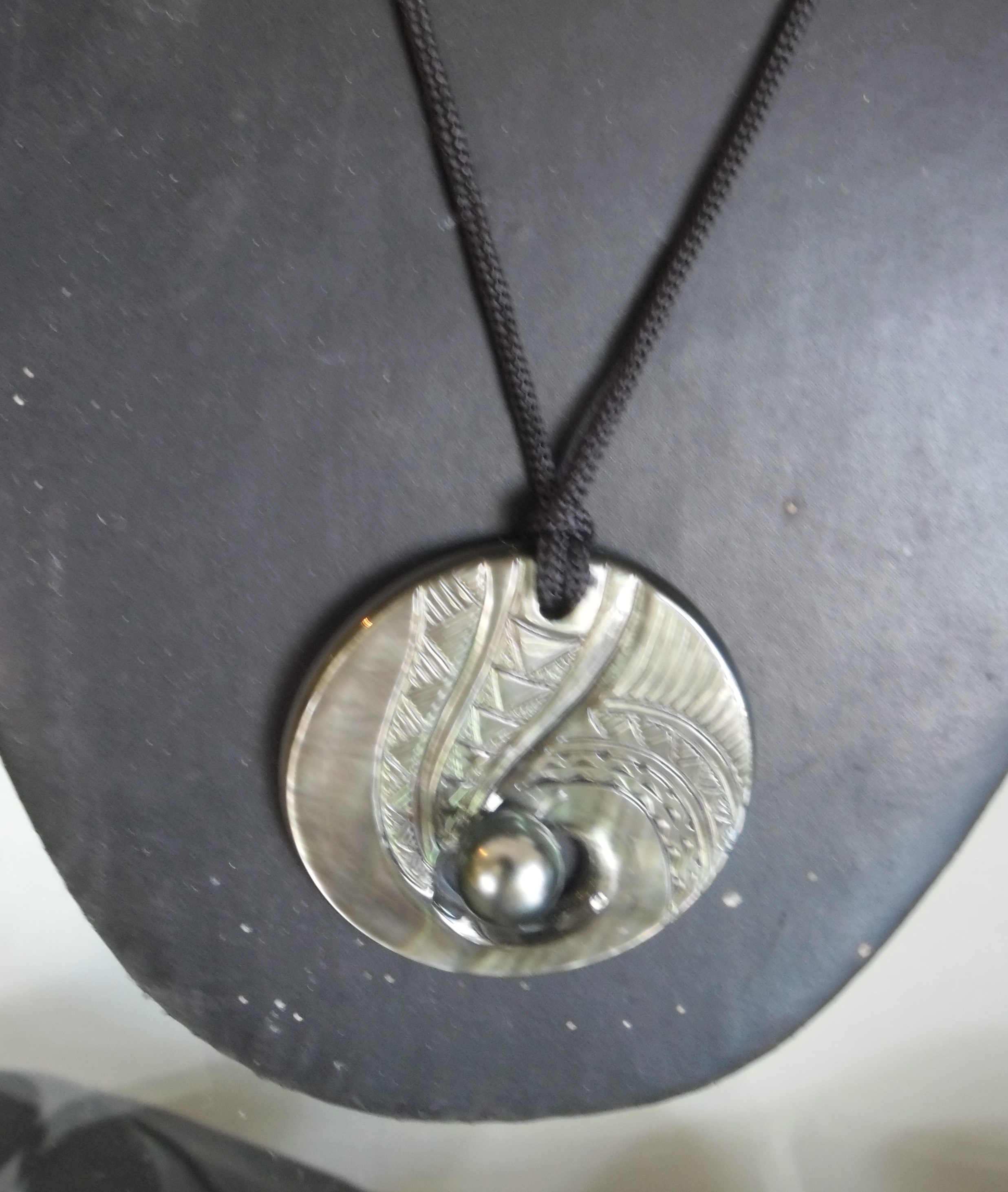
For our shopping expedition we visited Tarani’s who specialise in pearls and weaving. Tarani herself designs and makes the pearl jewellery, and her tiny shop is chock full of pearls of all shapes and sizes. Tarani likes to use single pearls a lot, and sets them in silver—often with the shells—as pendants, and she also makes rings, ear-rings and necklaces.

Tarani displays her pearls

There isn’t a great deal on display as Tarani prefers to show the pearl separately, and then work with the buyer to design a piece of jewellery that not only is unique to them, but showcases the pearl in its best setting.

Be it pendant…   single pearl necklace2

double pearl necklace

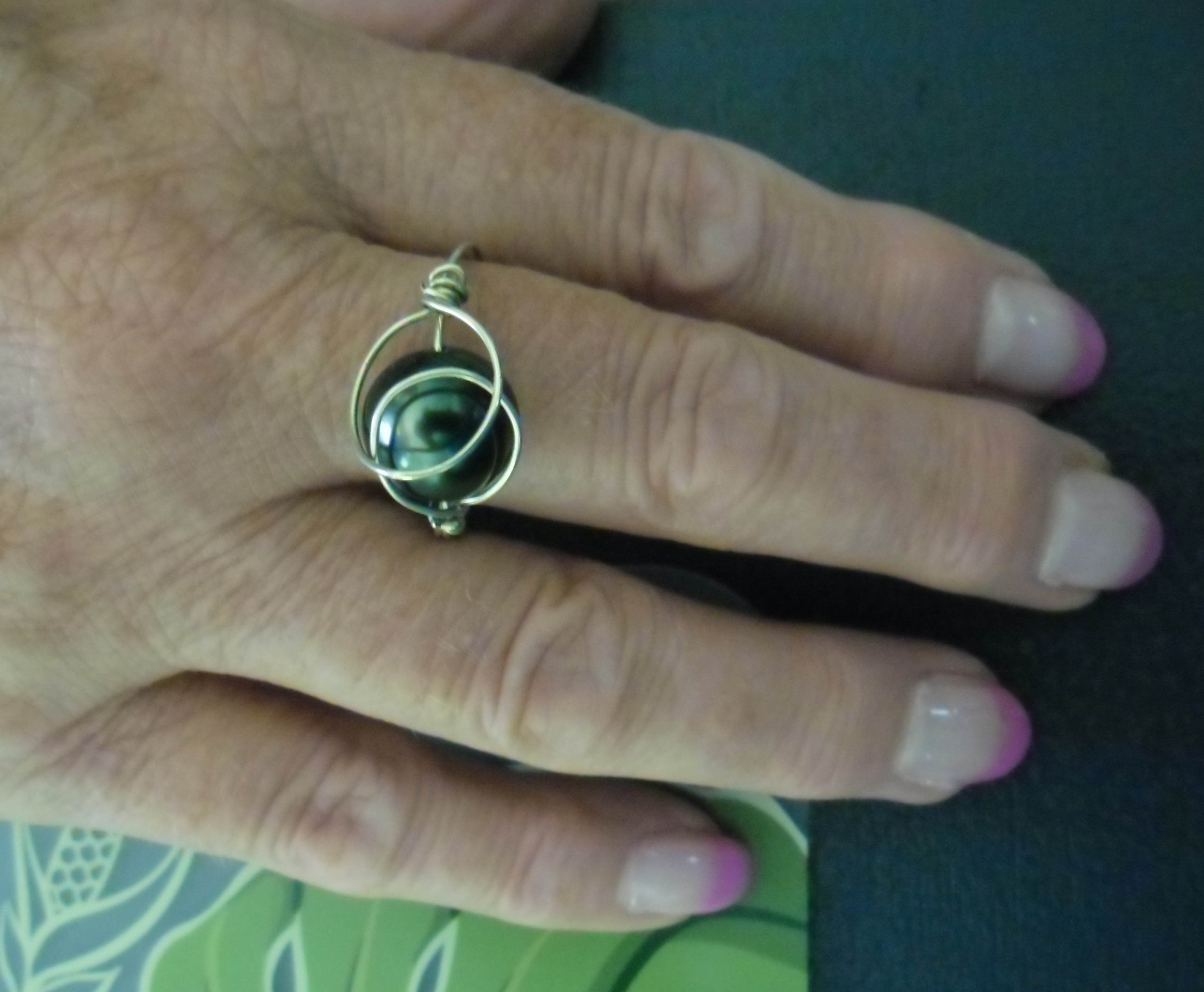
Or ring…

rings

Or this…

Yes i bought a ring

…which came home with me.