Author Archives: gracienumber1

CARDIF—there’s a new kid in town!

Wendy Johnson checks out CARDIF, and CARDIF Collective, a brand new initiative for Canberra designers.
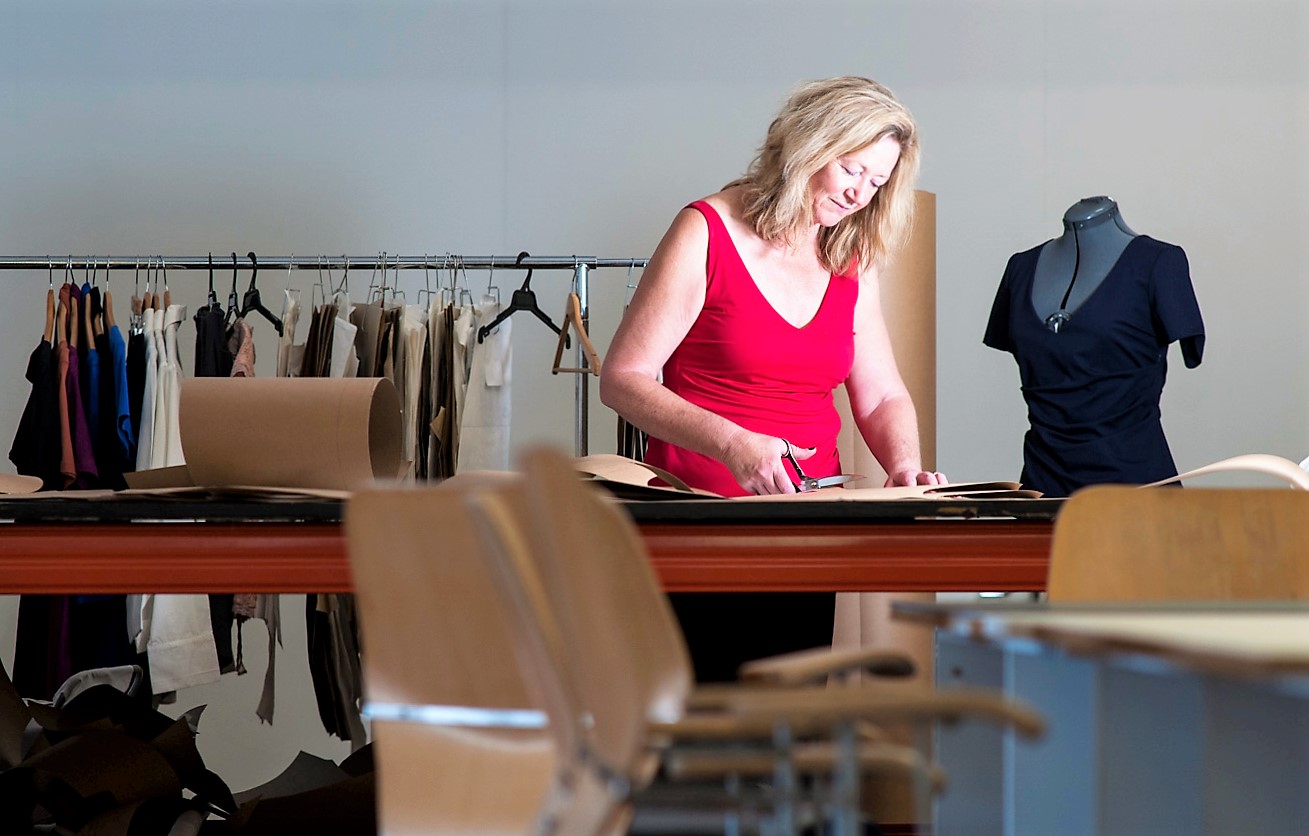
Chris in the studio - photo by Martin Ollman

Chris in the studio – photo by Martin Ollman

When Chris Lloyd was young she knew creative veins ran through her body. She was fascinated by design and never hesitated to create fashion for herself, family and friends. She loved being surrounded by fabric, thread and scissors and her soul was always satisfied by the sweet sounds of her sewing machine.

Although passionate, Chris’s dream to be a designer was put on hold as she pursued a professional career in the public service and as an independent contractor. Such is life.

But after 20 long years, Chris has hauled her sewing machine out of storage and is starting her own fashion label—Minimum. If that isn’t exciting enough, Chris, and her husband David Traylen, have started CARDIF, Canberra and Region Designers in Fashion, which will open officially in early 2016.

Fashion fun at CARDIF - Photo by Martin Ollman

Fashion fun at CARDIF – Photo by Martin Ollman

CARDIF is occupying an amazingly large space overlooking Green Square, Kingston, and providing centrally located, light-filled studio and retail space to selected fashion designers to help them realise their aspirations. It’s fitting that CARDIF is in Kingston, one of Canberra’s first commercial centres. It occupies 685m² space on Level 1 of the Cusack Centre.

“In looking for space for Minimum I quickly realised that rent can be super expensive,” says Chris. “But more than that, it can be lonely working on your own and creatives need to be inspired, share, learn and connect. It’s all important to the creative process.”

When Chris and David stumbled across the space they decided to take the plunge knowing that a lot of blood, sweat and tears would be needed to transform it, especially since it had sat empty for eons. Twelve individual studios will be available, as will a common area including two large cutting tables, storage, racking, a lounge and kitchen facilities. A pattern maker and machinist will be on site and available to designers on a fee-for-service basis.

Fireworks hat by Cynthia Jones-Bryson. Photo by designer, model Alice Anderson

Fireworks hat by Cynthia Jones-Bryson. Photo provided by designer, model Alice Anderson

CARDIF, a not-for-profit, also runs CARDIF Collective, the retail side of the operation. The designers occupying studios will sell to the public through the collective, as will other members of CARDIF.

Although there’s still a massive amount of work needed to finish the space, CARDIF Collective is hosting its first pop-up celebrating Christmas and giving visitors a chance to say hello, so from 12 to 22 December, close to 30 creatives will have Australian jewellery, fashion, millinery, accessories, homewares, accessories, and more, on show and for sale. “It’s a bit of a test run so not all the creatives involved in the pop-up shop are official members of CARDIF, but that’s not a worry at this stage,” says Chris. “The aim is to give visitors a chance to see the space and say hello.”

Designer Edwina Woods - photo by Martin Ollman

Designer Edwina Woods – photo by Martin Ollman

Several designers have already signed up to CARDIF studio space. Edwina Woods has already moved in, soon to be followed by Chris with her label Minimum and Cynthia Jones-Bryson, who has just won the coveted Crown Oakes Day Invitation Only Myer Millinery Award for her headpiece inspired by fireworks.

“CARDIF will become a centre of excellence and support fashion designers to grow and develop,” says Chris. “The idea is to provide affordable, long-term creative and retail space for designers, both established and emerging, who have a desire to make their brand commercially accessible and who want to connect direct with customers.”

Internal space at CARDIF Collective - photo by Martin Ollman

Internal space at CARDIF Collective – photo by Martin Ollman

Workspaces range in size from approximately 10 m2 up to 28 m2.  Design studios can be rented by one designer or shared. A second call for applications will take place early in 2016 (designers can express interest at any time by email).


For more information on the CARDIF Collective Christmas pop-up—times and a list of designers—head to www.cardifcollective.com.au and for more information on CARDIF, visit www.cardifact.com.au


You Little Devil!

Devilled eggs are making a comeback! Just in time for the party finger food season. By Emma Dowling.

We’ve been making devilled eggs for years and tend to stick to a fairly basic recipe, but this time we thought we’d introduce something a little more exciting, so we travelled the world to add some excitement to your eggs. So here’s our basic recipe, plus a few fancies! 

boil-eggWe use the Delia Smith method to boil our eggs. This doyen of cooking uses this super easy method that turns out the perfect boiled egg every time, and it all depends on how long leave you leave the eggs on the hotplate. Just put your eggs in a single layer in a saucepan, cover with warm (tepid) water and bring to the boil. Then turn off the heat and leave on the hotplate for the required time. For a soft boiled egg leave it until the water stops bubbling. For a hard boiled egg leave for up to 15 minutes. Obviously, it doesn’t work with a gas burner, so if you have gas cooking just do what you usually do.

Basic Devilled Eggs (makes 12)devilled eggs

What you need: 6 large eggs, 1 tablespoon good quality mayonnaise (use light if you prefer, but a good quality whole egg mayo will give a creamier taste), salt and pepper to taste, and finely chopped parsley to garnish

What you do: Place eggs in a single layer in a large saucepan. Cover with warm water and bring to the boil. When bubbling vigorously, cover, turn off the heat, and leave on the hotplate for 15 minutes. Run under cold water and allow to cool. Shell eggs, cut in half lengthways, and scoop out the yolks into a bowl. Add the mayonnaise, salt and pepper, and mash well until creamy. Spoon back into the egg white hollow and garnish with parsley

French Stuffed Eggs

French stuffed eggsAdd a bit of je ne sais quoi to your party eggs with French Stuffed eggs. These are served warm in France and will be a real treat at your next gathering. Take the basic recipe and add ½ cup finely chopped reduced-fat ham (optional), 1 tablespoon finely chopped green end of shallots (spring onion), 1 tablespoon finely chopped parsley, 1 teaspoon Dijon mustard, salt and freshly ground black pepper, 2 slices of bread (regular or GF), Extra Virgin cooking oil spray

What you do: Cover a baking tray with baking paper and set aside. Cook the eggs as the basic recipe and place the yolks in a bowl. Add the ham, shallots, parsley, mustard, and salt and pepper to taste, mix well and spoon back into egg whites. Place the bread in a food processor and pulse to coarse crumbs. Top each egg with the breadcrumbs and coat lightly with the cooking oil spray. Heat the grill and place the eggs on the baking paper. Grill for 1 minute until the breadcrumbs are brown and sprinkle with freshly ground black pepper. Serve immediately.

Indian Devilled Eggs

Indian eggsSpice up your life, and your eggs, with Indian Devilled eggs—even better served on a bed of rice! Using the basic recipe and add 1 clove finely chopped garlic, ¼ teaspoon of cumin seeds, 1 tablespoon finely chopped shallot, salt, pepper, and curry powder to taste.

What you do: Follow the basic recipe and scoop the egg yolks into a bowl adding salt and pepper to taste—do not add the mayo at this point. Heat olive oil in a frypan and sauté the cumin seeds and chopped garlic until garlic is lightly brown—do not overcook. Add the mixture to the egg yolks and then gradually add the mayonnaise mixing all the time. Be careful adding the mayo—a little at a time, as if the mixture is too soft it will not sit properly in the egg white—better to add less than too much. Spoon the mixture back into the egg whites and set on a bed of cooked rice on a serving dish. Sprinkle with curry powder and chopped shallots.

Kick-Ass Indian Devilled Eggs

For kick-ass eggs substitute the cumin seeds and garlic for ½ teaspoon garam masala and 1 finely chopped green chilli. No need for the cooking in this recipe—just add the mayonnaise, garam masala and chilli to the egg yolks and mix well. Bon Appetite!

Moroccan Eggs

moroccan devilled eggsServe up the mystique of the souks and bazaars with this recipe from North Africa. To the basic recipe add 2 – 3 tablespoons of harissa*, 1 teaspoon extra virgin olive oil, ¼ teaspoon smoked paprika (or half and half smoked paprika and chipotle powder), ½ tablespoon of fresh lemon juice, salt to taste, and chopped almonds for garnish. *Harissa is a spicy and aromatic chilli paste widely used in North African and Middle Eastern cooking. Recipes vary but it usually includes a blend of hot chilli peppers, garlic, olive oil and spices such as cumin, coriander, caraway and mint. Tomatoes and rose petals are also common ingredients.

What you do: Follow the basic recipe and place the egg yolks in a bowl. Add mayonnaise, harissa, olive oil, paprika, and salt and mix well. Spoon back into the egg whites and sprinkle with chopped almonds.

And finally! Mexican (and Australian) Guacamole Devilled Eggs!

guacamole-deviled-egg

Made with our own home-grown Aussie avocados, these eggs combine the basic recipe with a yummy guacamole instead of mayonnaise.

What you do: Make the basic recipe and place the yolks in a bowl. Make up the guacamole using 1 whole large Haas avocado, I slice onion (finely chopped), 1 small red chilli (finely chopped), and 1 teaspoon Lite sour cream (optional), and mix well. Combine the egg yolks with the guacamole until smooth and scoop into the egg whites. Decorate each with a sprig of coriander. Ole!

Cooking Thai 101 – the essentials!

Cooking Thai 101 banner

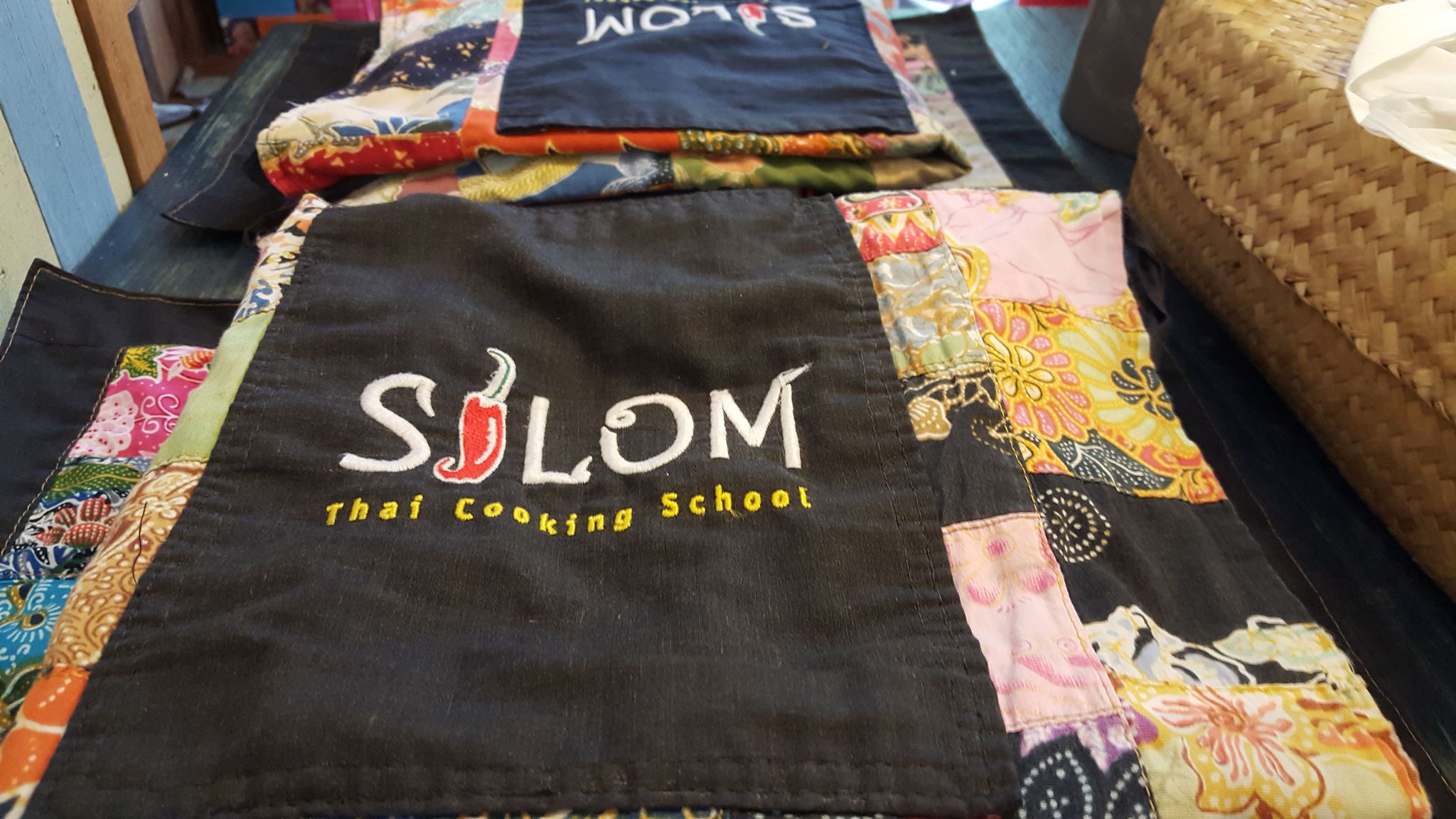
Here at LFW we love, love, love Thai food—it’s fresh, simple, and über tasty; so on our recent visit we booked into the Silom Thai Cooking School and learnt how to cook up a storm! By Aine Dowling

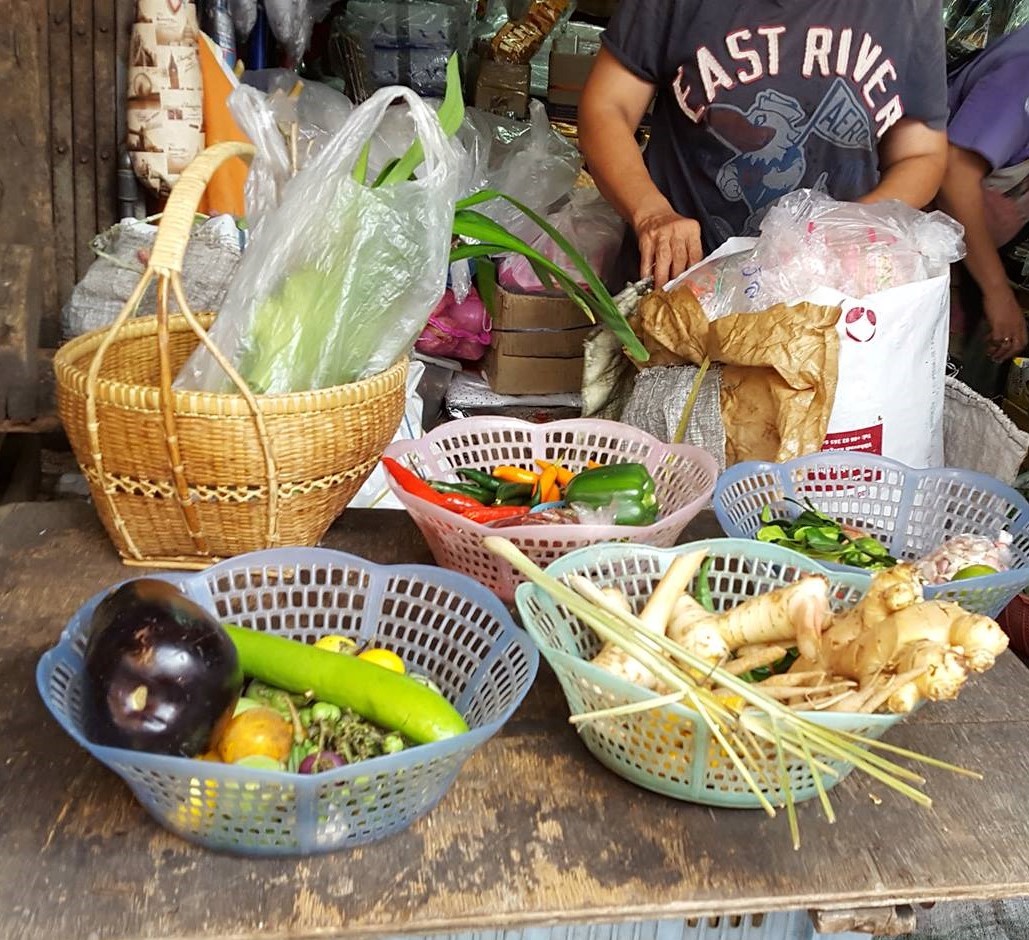
Cooking schoolWe met up with our class, and teacher ‘Awesome Jay’ (yes, that’s his name), at a local market to select our veggies and herbs for the day. The market is an assault on the senses—from the aroma of herbs and spices, through textures of the fruits and vegetables, to the burst of colours with bright red and green chillies, and summer yellow mangoes and bananas which smell absolutely divine!

Selecting veggies and herbs at the market

Selecting veggies and herbs at the market

Awesome Jay lived up to his name. He had the honour of representing Thailand on MasterChef Singapore and he is a terrific chef! He’s funny and really knows about cooking Thai. In all the dishes we were given the option of adding our own chilli, or not, if we didn’t like spicy food. Jay’s chillies had four rankings: 1 chilli = chilli taste, 2 chillies = hot chilli, 3 chillies = rumbling volcano, and 4 chillies (you really have to be able to cope with the heat to try this) = KAMBOOM!

Our first task was to create our own coconut milk by pouring warm water onto fresh shredded coconut and squeezing it through a sieve. There were eight of us in the class and we had to make enough for two of the dishes and the dessert. We also made our own green curry paste from scratch and we all had to take a turn at pounding the large mortar and pestle to grind the chilli and spices, and learnt a new way to squeeze limes!  Our individual cooking stations included a gas burner, a wok and utensils, and a serving plate. After each dish we moved to small dining tables to eat and comment on the food.

Chillies. Image by LFW

Chillies. Image by LFW

Cooking Thai 101 is the first in a series of our trip to Thailand, and we’ll be posting some recipes and pics in a later blog, but one thing we did learn are the 10 must haves for good Thai cooking so we’ll start with getting these into your kitchen before we do the recipes.

Ten Thai kitchen basics with Awesome Jay!

Awesome Jay explaining spices

Awesome Jay explaining spices


Cooking Oil: Vegetable oil such as corn, palm kernel, and sunflower is used in all Thai cooking. Other oils may have a more defined taste and aroma that may affect the final product.

Thai Fish Sauce: known in Thai as nam pla, this seasoning is made from fermenting fish with salt. It should contain only anchovies, salt and water and it’s very strong and salty so use it sparingly! It’s essential in only some dishes.

Thai Curry Paste: even in Thailand many cooks buy (and use) premade curry pastes. Red and green varieties can be found at well-stocked Asian supermarkets and should include galangal, lemongrass, and coriander root. Obviously green is made with green chillies, and red with red chillies.


Coconut Milk: used in Thai curries, fresh coconut milk is made by rinsing the oils out of coconut flesh with warm water and squeezing out the milk. Canned coconut milk is an easy option and widely available from supermarkets.

Rice: sticky rice, also called glutinous rice, is the staple in north and northeast Thailand and is often used in desserts. Jasmine rice is a staple in much of the country.

Chillies: fresh and dried chillies provide heat in Thai food. Fresh cayenne chilies are used in curries, and fiery-hot Thai bird chillies in sauces and stir-fries. Fresh chillies will keep in the fridge for up to a week or you can store in the freezer.

Limes: give a tart lift to grilled meats, salads and fried rice. Kaffir lime leaves are mostly used to give a floral, citrusy aroma to curries and soups.

Shallots and Garlic: Shallots (spring onions) are chopped and often used to decorate dishes or added to salads to provide a bit of crunch and bite. Garlic is crushed or minced and then tossed into hot oil with the other spices and before the stir-fry ingredients.

Lemongrass: is included in many Thai dishes and used only for flavour—not for eating.

Fresh Herbs: including cilantro (coriander), mint, Thai basil, and Vietnamese coriander add distinctive flavours to everything from salads to curries to fried rice. Thai basil has a nice sweet anise flavour but can be hard to find so substitute regular basil.

Watch this space for more to come!

Cooking Thai 101 banner

Celebrating Fifty Years of (Hair)Style!

Italians certainly know how to throw a party, and, with champagne flowing, the party to celebrate 50 years of Cataldo’s Hairdressing took off on Wednesday night 2 December at Canberra Museum and Galleries. Patriarch Giuseppe Cataldo opened the original salon in Hobart Place in 1965 and over the years Cataldo’s has become one of Canberra’s top salons. LFW was there to help them celebrate 50 years in the business and meet up with the famous local stylists and some of their clients. By Aine Dowling

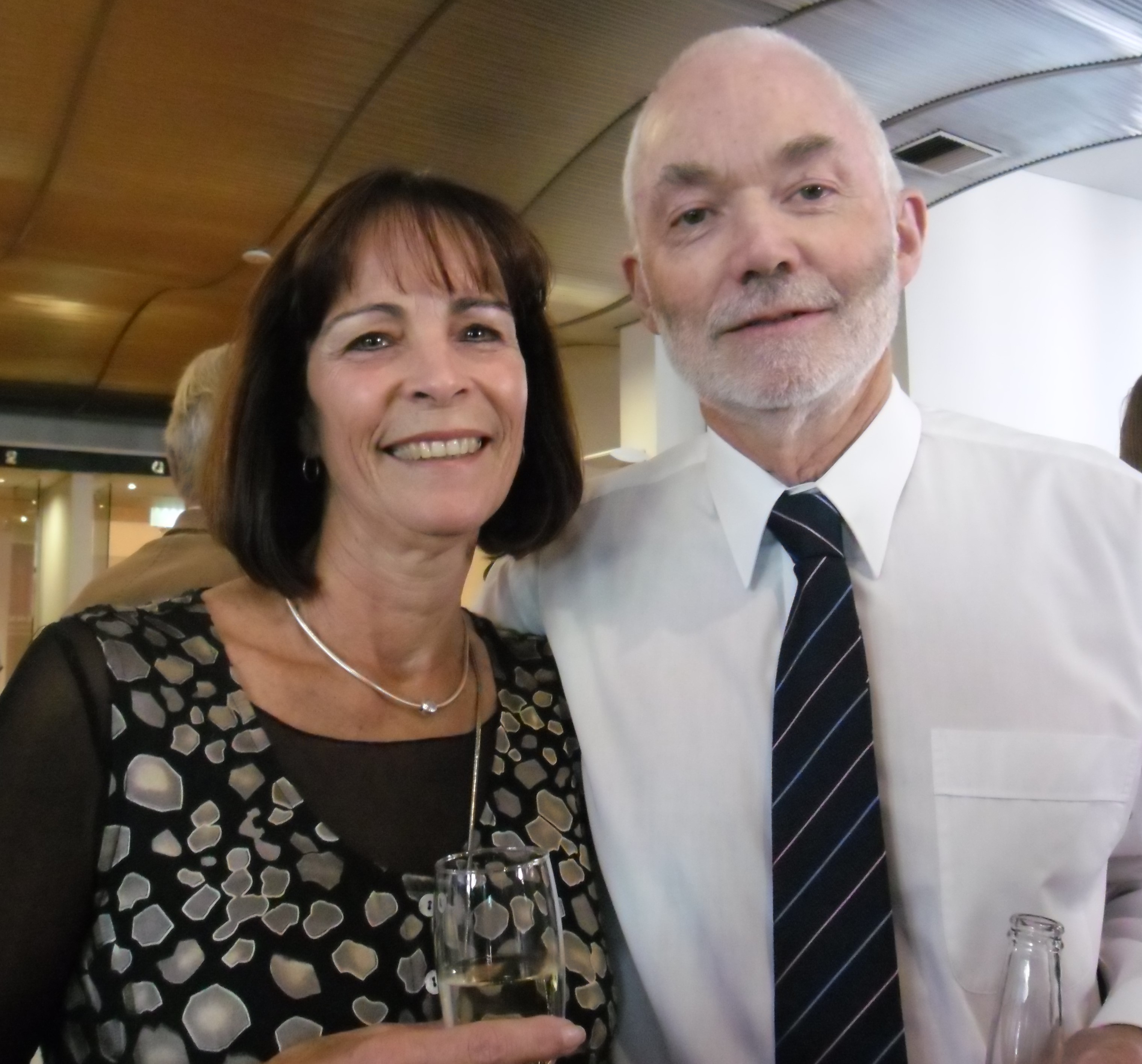
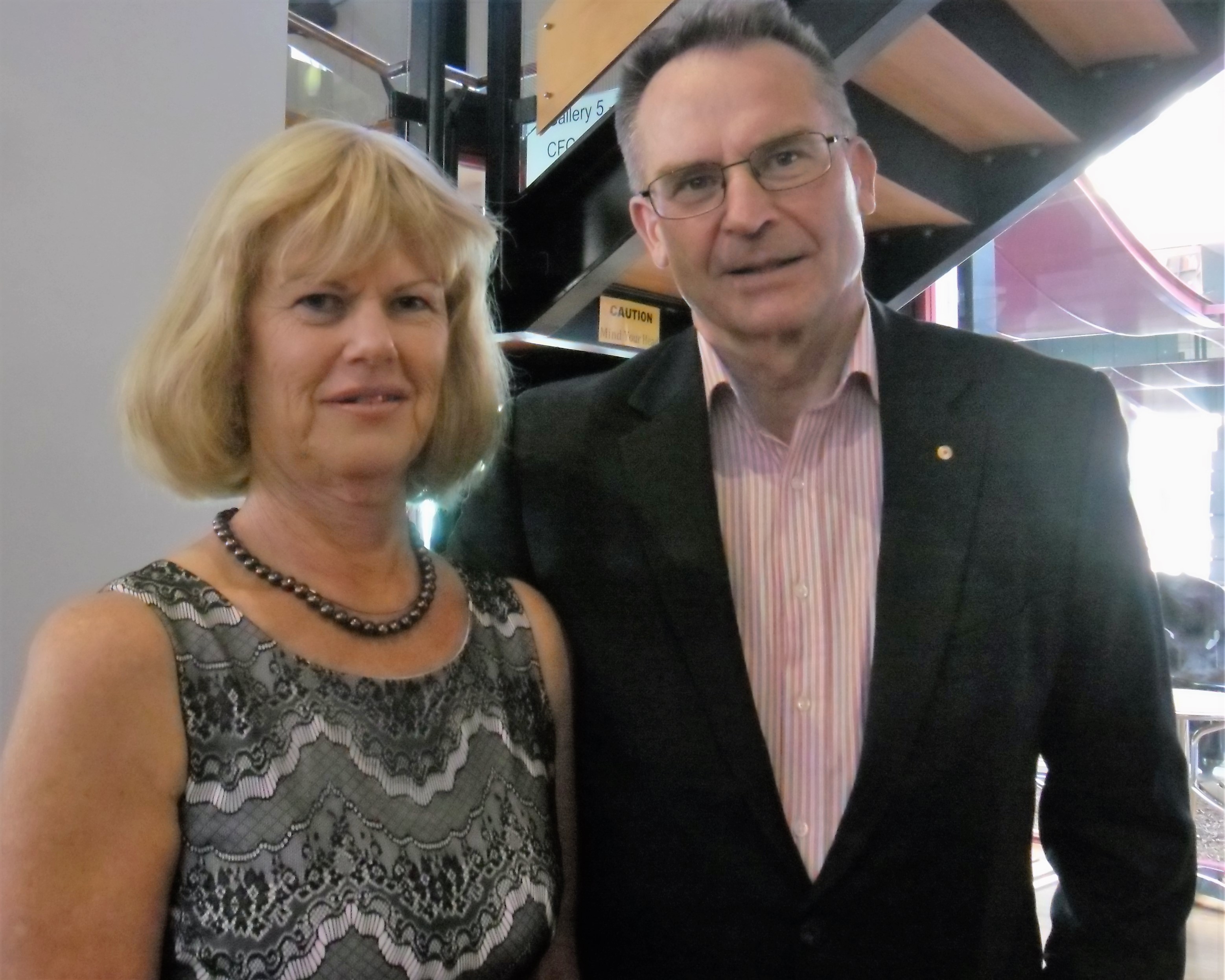
Lucy and Angelo Cataldo

Lucy and Angelo Cataldo

The original salon in Hobart Place was basically a barber shop with a couple of chairs for the ladies, and with young sons Emilio and Angelo helping out by sweeping the floor.  In 2015, Emilio and Angelo, along with other brother Aldo, now run the business which continues as one of Canberra’s top salons. Cataldo’s now operates two locations, one in Civic and the other in Woden which is run by business partner and 30 year Cataldo’s veteran Karen Spradau.


Through the 1960s, Cataldo’s customers would visit for their weekly shampoo and set. The 1970s was all about perming. The 1980s… big hair! And like the hairstyles they’ve created over the last 50 years, the hair business has changed a lot. Today the salon is inspired by the world’s dynamic fashion industry. “Fashion and hair are inextricably linked. You can’t have great front covers of Vogue without the hairstyles,” said Emilio Cataldo.

Emilio Cataldo (r) with guests

Emilio Cataldo (r) with guests

The salon has experienced this firsthand, with many glamourous magazine covers over the years featuring the work of Cataldo’s talented stylists. Cataldo’s has also won countless national and international awards including ACT Salon of the Year 18 years in a row. Emilio even represented Australia at the 1980 Hairdressing World Cup in Rotterdam.


LFW's Emma with Claudia Cataldo

LFW’s Emma with Claudia Cataldo


While the Cataldo’s still place importance on family, with third generation Cataldo’s picking up the scissors, their idea of family isn’t limited to blood relations. “We’ve trained over 350 apprentices and stylists. Our team are very much part of our family. Some of the hairdressers we’ve trained are now educating others around the world,” said Angelo Cataldo. Emilio adds, “Education is very important to us. Not just skill with hair, but life skills, interpersonal skills they can transfer to everyday life. Our father imparted a sense of genuine customer service, which we now impart on our stylists.”


With 50 years behind them, the next 50 look just as exciting. Their Northbourne Avenue salon is moving to new premises in Ainslie Place, and their focus is the ultimate customer experience.

Virginia and Tony Pederick

Virginia and Tony Pederick

Fifteen years ago, Cataldo’s Salon offered their clients free dial up internet, and TV screens for entertainment—helping them to win the Australian Best New Salon Design award. Today the Cataldo’s feel there is too much digital, and not enough genuine human interaction. “Hairdressing is now one of the few experiences people can have where there is physical contact and real conversation,” Emilio says. “The new premises will focus on that tactile experience, so our clients don’t just leave with great hair; they leave having had a relaxing, enjoyable, real experience.”

Robyn and John Stanhope

Robyn and John Stanhope

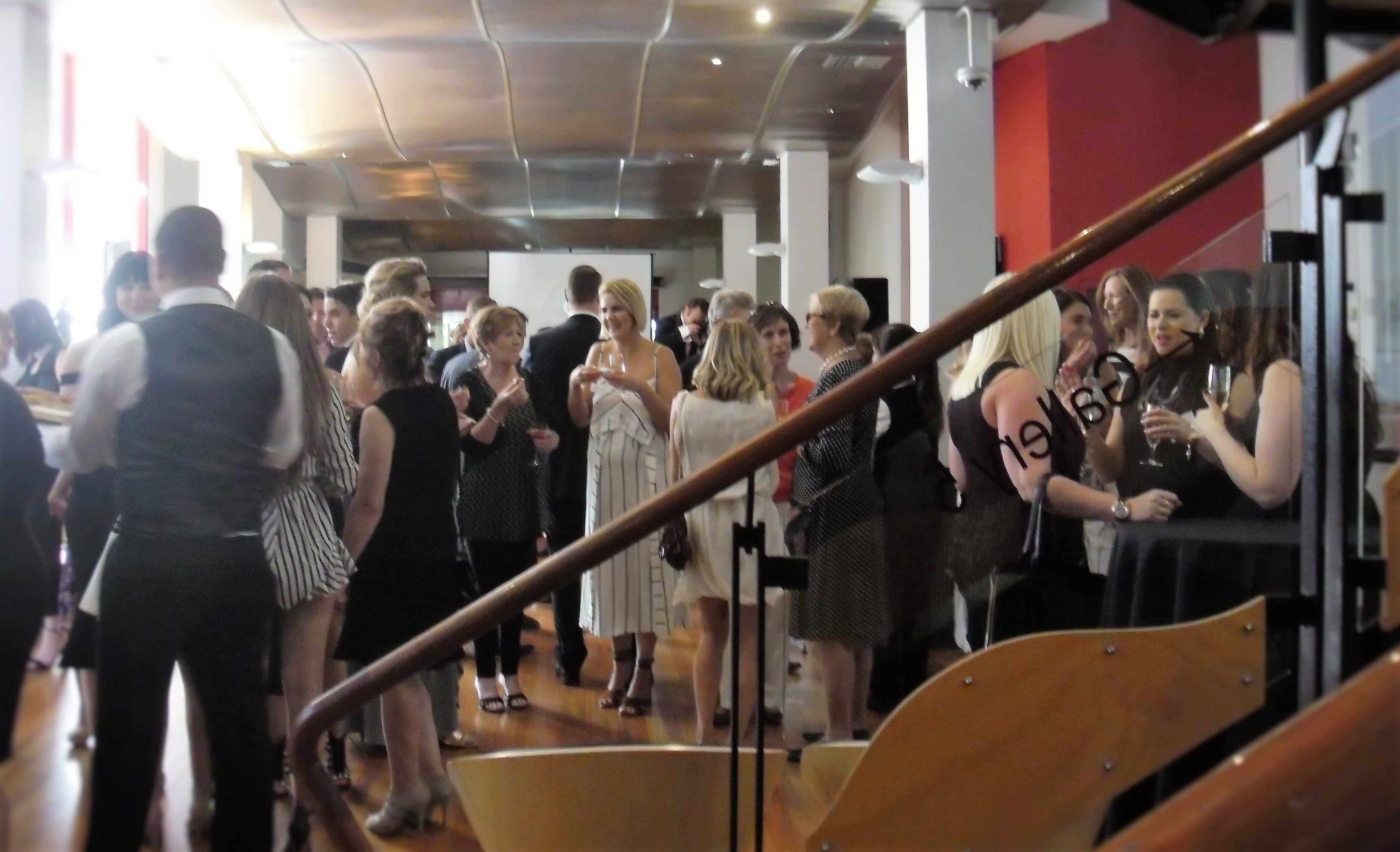
Clients and guests enjoy Cataldo's hospitality

Clients and guests enjoy Cataldo’s hospitality

The new salon is set to open its doors early 2016. For more information visit Cataldo’s Salon or join them on Facebook

Media from Threesides Marketing.  Images by LFW

Local Canberran wins Lifetime Award!

Those of us who know Canberra well, know that it’s a city unlike no other in Australia. Some of what makes the capital a glorious spot is right before our very eyes—like our national icons, natural beauty and festivals. But there is so much more beneath the surface to discover, as the likes of Jenifer Dwyer Slee know full well. By Wendy Johnson

You see, Jenifer is the Director of Sales and Marketing at the National Convention Centre, working for the InterContinental Hotels Group. One of her big passions is positioning Canberra as a ‘go-to’ destination in the highly competitive conference industry. Jenifer’s passion for what Australia offers in the industry has led her to be honoured with a Lifetime Award from the Professional Conference Organisers Association, for ‘Support, Encouragement and Mentoring to the Business Events Sector in Australia’.Jenifer by Martin Ollman

“I love Canberra,” says Jenifer. “I really do.”

It’s a big statement when you consider that Jenifer has lived in or near some pretty special spots while working for more than 26 years in the luxury hotel market, including at Lilianfels Blue Mountains Resort and Spa, Sheraton Noosa and in starry-eyed Sydney.  After an exciting career in hotels, Jenifer made one of those massive decisions to take a major turn. She moved to the world of convention centres, which brought her to Canberra.

Jenifer is one of only eight Australians, and the only Canberran, to receive this Lifetime Award, in part for her majestic efforts in positioning this country to be a winner in the industry.

Barry Neame, President of the Professional Conference Organisers Association, who presented Jenifer with the award in Adelaide at the association’s eight annual conference on 30 November, sums it up this way: “Jenifer truly cares about bringing business to Australia and to Canberra and has been open and generous in sharing her knowledge in how the hotel sector operates with association members, to help with their professional development and upskilling. This includes helping young people entering the industry acquire quality skills and quickly. Jenifer has always been open to being a mentor and it’s strengthened the industry as a whole.”

Jenifer Dwyer Slee seated_Martin Ollman_Nov 2015Jenifer’s efforts not only benefit IHG and the National Convention Centre, they boost the local economy and generate economic wealth for many in business here, with visitors touring about and indulging in our food scene, local arts and design movement and events and activities.

“It’s good for everyone when we score a major conference,” says Jenifer. “We work hard at it but have a high success rate in winning conferences and events once decision makers have experienced the benefits of coming to Canberra for themselves.” With the growth in tourism in the coming years, the dedication of Canberrans like Jenifer is sure to stimulate even more to visit the capital and surrounds.

“I agree with what The New York Times wrote about us,” says Jenifer. “We have big-sky beauty, breezy civic pride and a decidedly hipster underbelly. Combine that with our vibrancy and developed world-class professionalism and you’ve got the perfect destination.”

Images by Martin Ollman

Local Fashion at Parliament House!

By Wendy Johnson

It all began when fashion designer Yumi Morrissey decided to make her own fabric prints for the collection she would launch at Fashfest 2015. That took her to the location of Australia’s most famous landmark and the meeting place of a nation—Parliament House—armed with her camera.

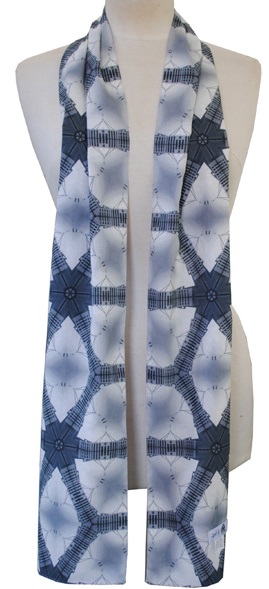
Scarf Parliament House

Scarf Parliament House


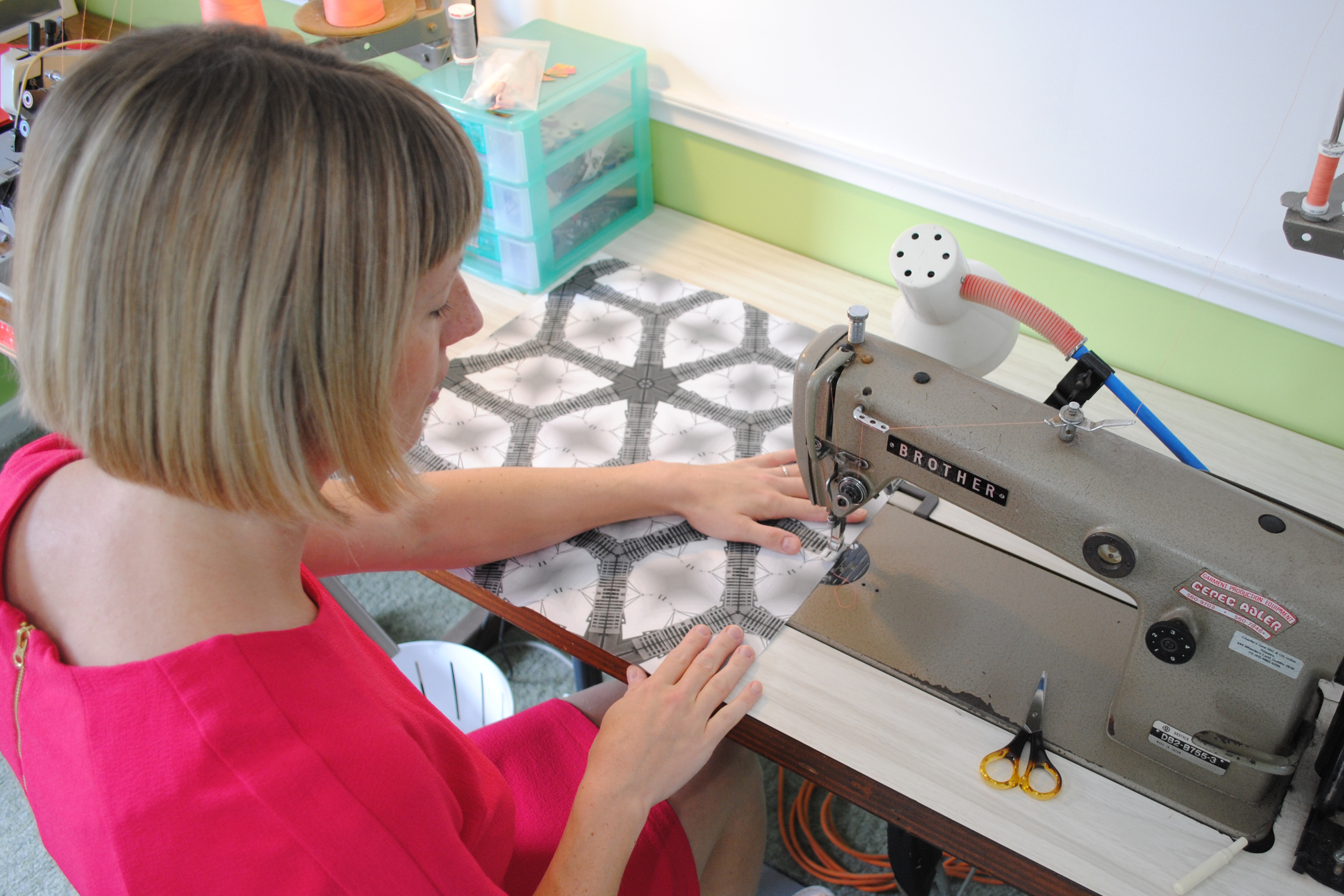
Yumi, who owns and operates the independent, local fashion label Zilpah Tart, captured ‘the shot’ she wanted while on Capital Hill and then headed to her computer to see what would happen if she manipulated it through Photoshop. After trying this and trying that she ended up with an intriguing kaleidoscope pattern and had it made into fabric for her new collection.

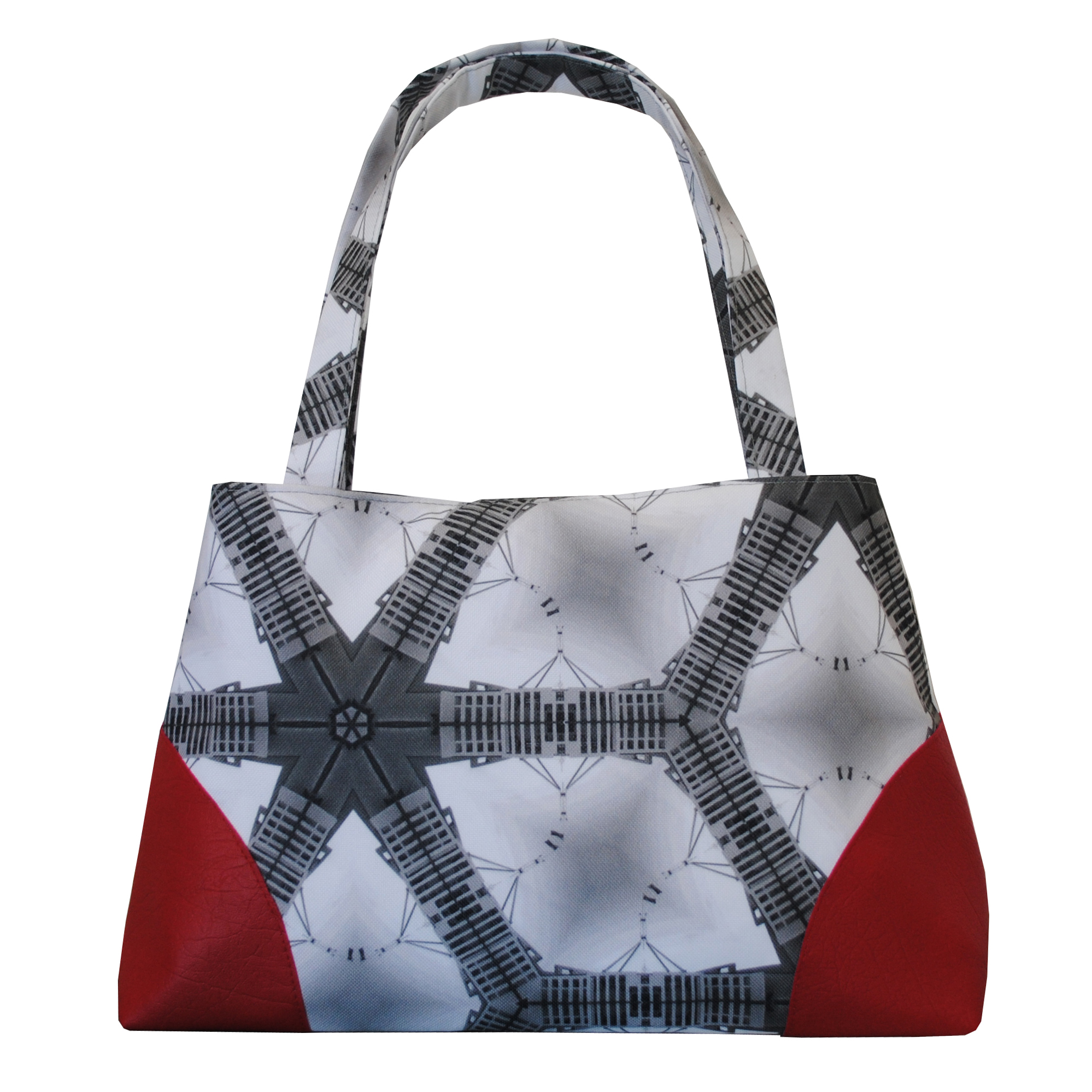
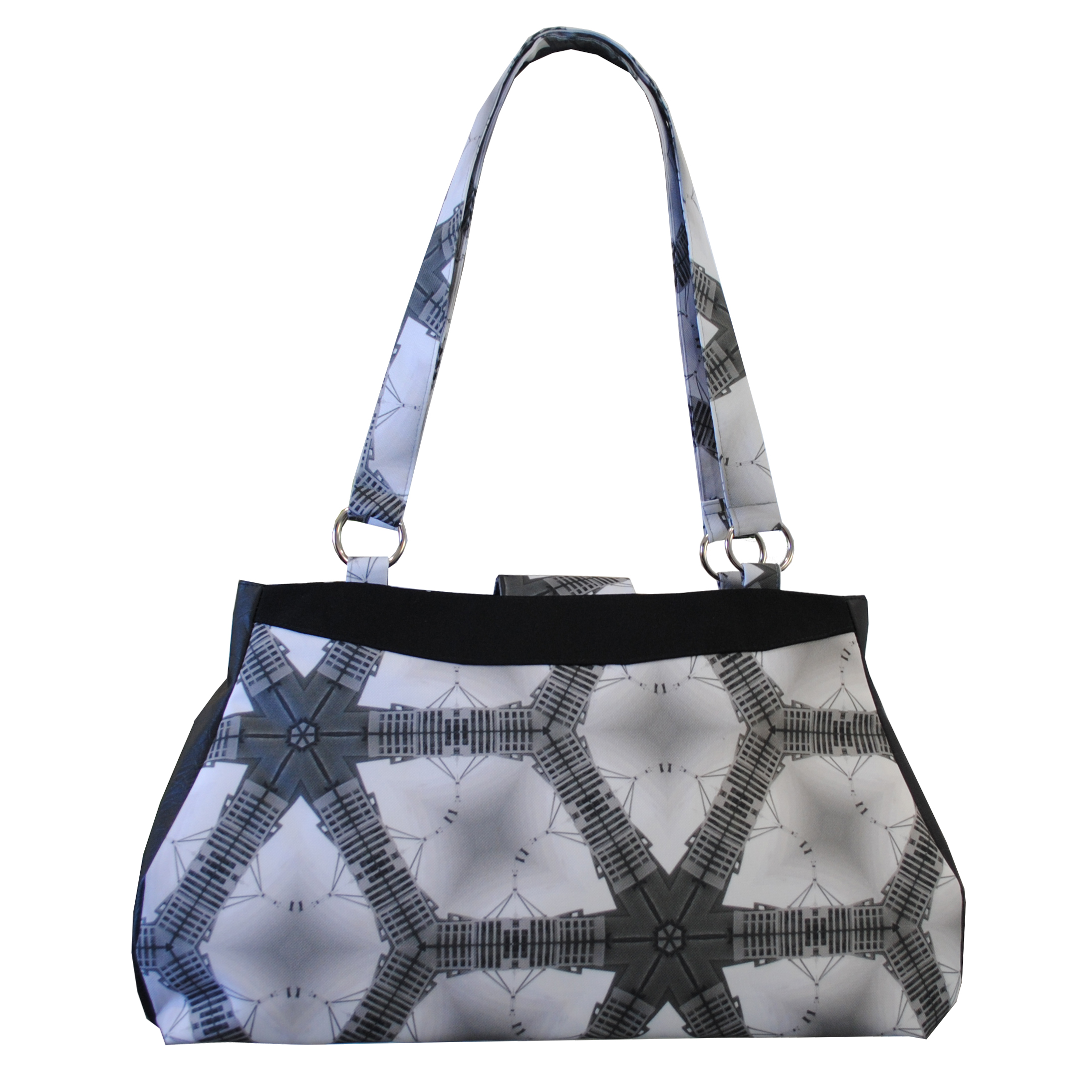
The exclusive Parliament Kaleidoscope print was a big hit on the catwalk at Fashfest, attracting several high-profile politicians and overseas customers to order garments created with it. Then it caught the attention of the Parliament Shop, inspiring Yumi to use the fabric to create a range of new products with the new print, including scarves, bags and cushions.


“You can’t really recognise Parliament House on the fabric from a distance but it all becomes clear when you get up close and study the pattern,” says Yumi. “That’s when it clicks that you’re looking at the building itself.” The print is a perfect fit for the shop at Parliament House and the items are great gifts for locals and the national and international tourists who make Canberra a destination. It’s unique. It’s designed here and made here, and the bags come in a range of styles ($65 to $120), some with accents of black, red and blue vinyl.

Papillon_parliament kaleidoscope red vinyl

Papillon_parliament kaleidoscope red vinyl

The Papillon design, for example, features blue vinyl corners, to protect the bag when it’s resting on a surface. The lining is a fun black and white polka dot cotton and the bag has an internal pocket and closes with a tab and magnetic fastener. The envelope clutch is simple and elegant, with a hand strap for easy carrying, and the large tote is a popular design.

Yumi is also producing scarves, made out of a super soft, 100 per cent cotton. They’re 190 cm long and so can be worn in several ways. They make a fabulous Christmas gift (super easy to pack up and mail also). Cushions come with the Parliament Kaleidoscope print on the front (canvas) and a solid black at the back.Zilpah Tart studio

Yumi is thrilled to be selling through Parliament Shop. “Parliament is such a significant institution and visitors to the shop include tourists from interstate and all over the worlds, so it’s giving my label exposure to new markets,” says the designer. Garments made out of the print are available through www.zilpahtart.com.au or you can visit Yumi at some of Canberra’s best markets, including those coming up in time for the ho-ho-ho season.
Lily_parliament kaleidoscope

Lily_parliament kaleidoscope

Painting with Parkinsons

By Wendy Johnson

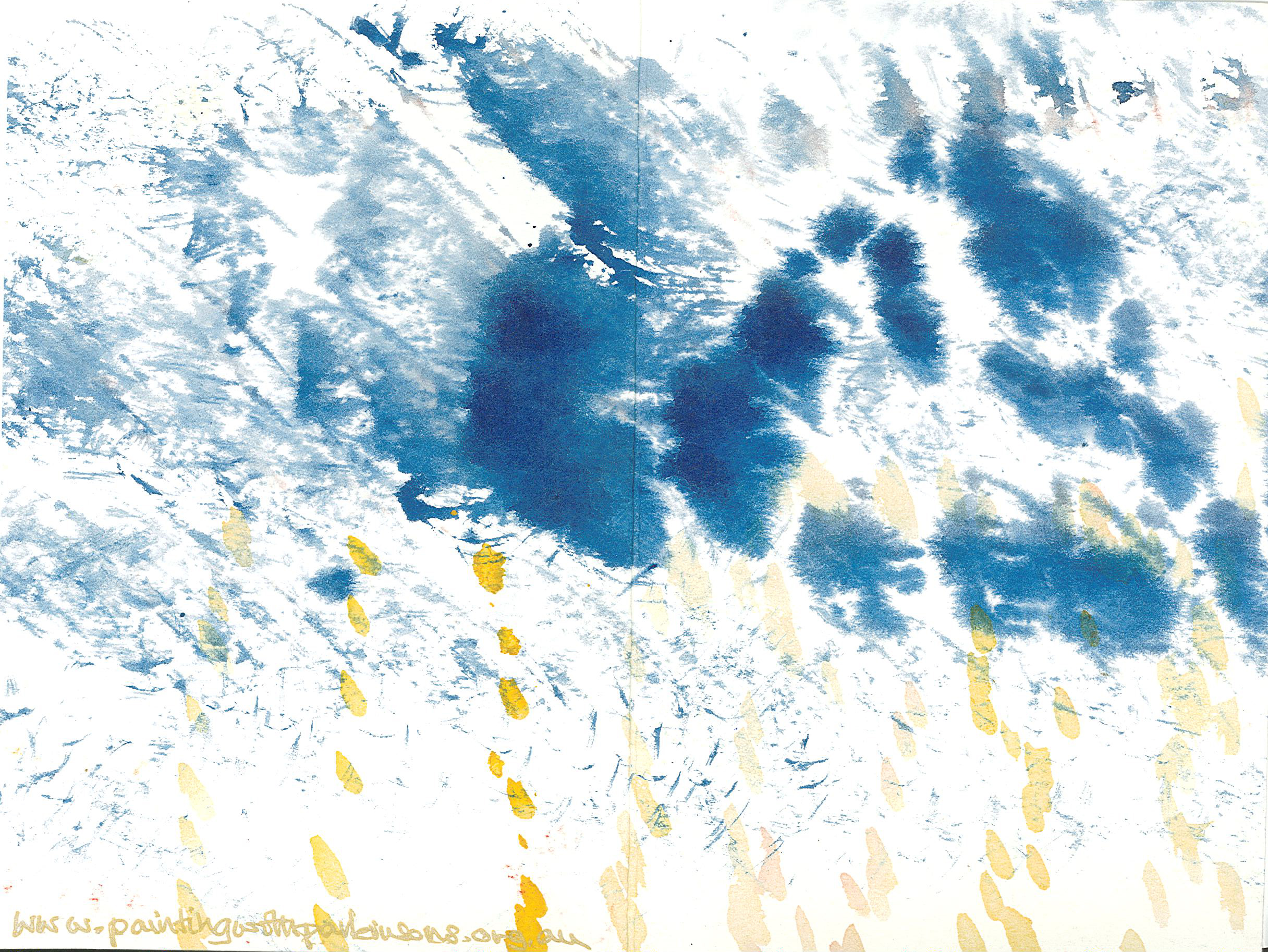
Cards say so much. They can be funny. Consoling. Just plain lovely. A beautiful handmade card—with or without words—is all the more special when painted by someone using art as therapy. So when I was told by Halie Rubenis, Business Development and Retail Manager at Agency in Braddon, that the beautiful cards I was buying for Christmas were the result of an innovative art program called Painting with Parkinsons, I felt quite emotional.

You see, everyone wants to make a mark in life. Indeed, in so many ways it’s all about the mark. And making a mark is precisely what a group of 12 Canberrans with Parkinson’s do when they gather to paint.Parkinsons 3

Painting with Parkinsons Canberra was founded at the end of 1994 in the Botanic Gardens by artist Nancy Tingey, an Accredited Professional Member of Craft ACT: Craft and Design Centre (since 1996). Nancy wanted to combine her role as a community artist and art curator with caring for her husband Bob who was diagnosed with Parkinson’s when he was 46.

Bob has been part of the group since the beginning and was the youngest member when he joined. He draws on past experiences to paint and so it’s no surprise his art often makes reference to geological formations. Bob had led a busy life as a geologist, working in many countries and making seven journeys to Antarctica.

Parkinson’s is a progressive neurological condition that affects people from all walks of life. It’s sometimes called a ‘movement disorder’. So why encourage painting? Painting is successful because it’s a magical unravelling of a series of steps.

“You create a mark on the paper. Then you create another mark. And another,” says Nancy. “It’s almost a linear process and people with Parkinson’s can cope with that quite easily. What they can’t cope with is a whole lot of stimuli presented at once.”Parkinsons 2

Today, Painting with Parkinsons is recognised as one of the most effective art therapy programs in the world. Many who paint discover inner talents and abilities. Bob’s hand moves involuntarily, for example, but this goes away when he paints. “Although he had never painted before, he took to it like he did any other activity in his life—with great enthusiasm and energy,” says Nancy.

The group produces work that is shown in exhibitions, which Nancy says is extraordinary and wonderful. Bob’s painting Light was featured in the United States Parkinson’s Disease Foundation calendar for 2013. Katrina Muir, diagnosed with Parkinson’s at age 55, first attended the Canberra group to observe, but soon found her work being used as a logo to promote the GOLD dance group at the Canberra Dance Theatre. “Painting with Parkinsons is a place where I can just be myself,” says Katrina. “I don’t have to explain my symptoms to anyone and am treated with much respect. I feel treasured for the person I am.”

Art helps group members lose themselves in their work, which takes their minds off the illness. Ann Nugent—who worked as a teacher, writer, editor and theatre critic—was diagnosed with Parkinson’s some years ago. She says painting alleviates her symptoms and encourages her to experiment with her art.

Halie says Agency has just received a whole new range of cards by Painting with Parkinsons. The cards are also available at the Handmade Shop. And Painting with Parkinsons will be the first exhibition group to showcase at the new National Disability Insurance Scheme building. Seven works will be exhibited for about three months.Parkinsons 1

For more information on Parkinson’s Disease visit http://www.parkinsons.org.au/

Construct—with Phoebe Porter

By Wendy Johnson

Phoebe Porter doesn’t have much time to sit still these days. This contemporary designer, who works out of her studio at ANCA, has recently just finished a major exhibition at e.g.etal contemporary jewellery and objects in Melbourne. She’s made a selection of new pieces for Bilk Gallery’s annual Christmas showcase (on until 24 December). She is getting ready to be involved in a project for the National Gallery of Australia to celebrate the work of renowned Australian sculptor Inge King. And she will be hosting an open studio as part of DESIGN Canberra, under the festival’s Living Artists program.

Phoebe Porter_Phoebe Porter_Line earrings

Phoebe Porter_Phoebe Porter_Line earrings

During DESIGN Canberra (21 to 29 November), head to Dickson and meet Phoebe in her studio where you’ll get to connect with the artist and see her work, including pieces from Construct, the name of the exhibition she held in Melbourne.

You’ll marvel at how Phoebe, beginning with her training at art school here in Canberra, has developed a unique working process combining traditional gold and silversmithing techniques with Computer Aided Design and industrial processes. So it’s no surprise her latest collection is called Construct. “I use a combination of traditional techniques such as sawing, hammering, filing and soldiering as well as more industrial techniques such as machining, pressing and anodising,” says Phoebe.

Phoebe Porter_Folded earrings

Phoebe Porter_Folded earrings

The jewellery in Construct plays with contrasts—of colour, material and scale. Bright colours contrast with soft grey tones of stainless steel. Natural materials contrast with machined, manmade alloys. Large elements contrast with small.

“The DESIGN Canberra open studio is an opportunity for me to connect directly with my audience who are often a step away from me when I sell through a gallery or a shop,” says Phoebe. “My studio is not usually open to the public, so this is a rare chance for people to see how I develop my work from start to finish—from design development, through sketches, models and templates, and through  to fabrication of the final pieces.

“Many people have a deep fascination with the tools and processes I use in my studio, perhaps partly due to nostalgia for a time where we made more things by hand. I have a vast collection of tools, including jewellery making tools, vintage workshop equipment and some custom tools I’ve developed specifically for particular designs.”

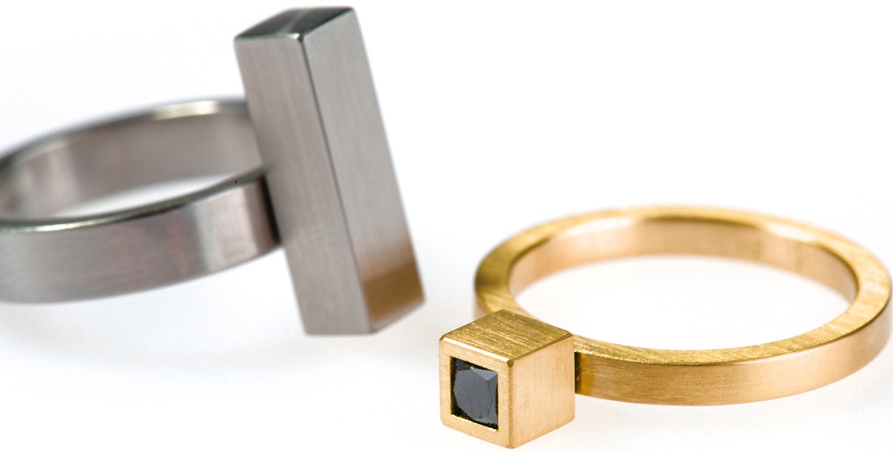
Phoebe Porter_Cantilever and Cubist rings

Phoebe Porter_Cantilever and Cubist rings

Phoebe believes contemporary jewellery inherently embodies all of the themes of DESIGN Canberra—Connect, Create, Collaborate. “Jewellery is about connections … whether it’s connections between people or connections between different ideas embodied in the work,” says the artist. “Jewellery has another life after it leaves the studio or the gallery when it becomes part of the wearer’s life and narrative. In that way there is a special sort of collaboration between the maker and wearer of a piece of jewellery.”

If jewellery is your passion, you’ll be delighted that Phoebe will be holding a sample sale on the day of her open studio, giving visitors a rare opportunity to buy unusual pieces from her archive—pieces not available elsewhere.

Phoebe Porter_5 Grams and 7 Grams necklaces

Phoebe Porter_5 Grams and 7 Grams necklaces

Besides Phoebe, ANCA (Australian National Capital Artists) will feature several other Living Artists’ open studios in both its locations (Mitchell and Dickson), covering various genres. Oliver Ayrton, Peter Giles, Sui Jackson, Dan Lorrimer, Keith Marshall, Ruth Oliphant and Alice Sutton will host open studios. They’re all free and drop-ins are welcome.

Bettina Hill, ANCA Arts administrator, says the Australian National Capital Artists was built in the 1990s mainly because Canberra didn’t have too many spaces for artists to have their studios. “ANCA was built as affordable, professional spaces where artists can be in a community, so they can work together and get support from each other. That’s what we strive for still today,” says Bettina.

Today, ANCA is home to around 40 artists and it also operates a gallery. DESIGN Canberra’s Living Artists program is about getting you involved and providing you with an opportunity to watch artists create work, discuss pieces and more.

ANCA Living Artists open studios is on Sunday 22 November from 2 – 6pm at 1 Rosevear Place, Dickson (where Phoebe is), and 96 Hoskins Street, Mitchell. For more info and to view the Festival program visit www.designcanberrafestival.com.au


What’s Buzzing in Canberra?

So what’s all the buzz about during DESIGN Canberra? By Wendy Johnson

Big picture, it’s about getting you connecting, creating and collaborating with the capital’s hugely talented artists, architects, craftspeople and designers around ‘all things design’. And that includes the festival’s unique DESIGN Buzz series.

Not quite a lecture and not quite a debate, DESIGN Buzz is an exciting opportunity to discuss big questions facing the world of design. Held over two nights (Monday 23 November and Tuesday 24 November), this is your chance to hear from some of the best in the design industry … experts with a deep understanding of what design means to our everyday lives. What it means for our sense of place. For our future. For our sense of well-being.SONY DSC

So here’s how it works.

DESIGN Buzz features two topics per night and two or three speakers per topic (some local, some from across Australia and some from overseas). Each has a short time to present thought-provoking ideas. Then the moderator throws the discussion open to the audience for a vibrant Q and A session. Craft ACT, which is bringing DESIGN Canberra to the capital, says this year’s DESIGN Buzz is, well, buzzier than ever. It’s designed to be energetic. It’s designed to get you involved.

And the topics you ask?

DESIGN Buzz_ Jeremy Lepisto

DESIGN Buzz_ Jeremy Lepisto

Me → We (Session 1, Monday)

How important is collaboration when creating works for the public realm? How does it work?

Join glass artist Jeremy Lepisto (Canberra) and collaborative partners Lynda Roberts and Paul Gazzola (Victoria) who will explain their approaches to collaboration in the highly diverse and challenging creative sector. Lynda manages the Public Art Program at the City of Melbourne and Paul is an artist and curator.


DESIGN Buzz - LeahHeiss

DESIGN Buzz – LeahHeiss

Living Design (Session 2, Monday)

How can design support a healthy lifestyle? What design tools can we use to improve our quality of life?

Leah Heiss (Victoria), a trans-disciplinary designer whose practice is at the nexus of art, design and science, takes the podium with Dr Liz Format (ACT), Professor of Palliative Care for Calvary Health Care and the Australian Catholic University. Liz’s research focuses on how people with life-threatening or life-limiting conditions and their relatives can find ways to cope.


Placemaking and Culture (Session 1, Tuesday)

Is there an Australian design culture? If so what’s it all about?

Join Lucy Simpson, an Aboriginal artist/designer (NSW) who focuses on storytelling and the narrative in her work, and Professor Jessica Hemmings (Ireland), Professor of Visual Culture and Head of the School of Visual Culture and the National College of Art and Design in Dublin. Jessica writes, curates and lectures about textiles and their role within culture and society.

DESIGN Buzz_Ingrid van der Wacht

DESIGN Buzz_Ingrid van der Wacht


Sustainable Futures (Session 2, Tuesday)

What are the future ways of designing for sustainability—the quality of life for future generations? How can you get involved?

Connector, communicator and collaborator, Ingrid van der Wacht (Netherlands), will be in Australia to talk about design as a driver for innovation, economic growth and sustainable thinking. She’ll join Peter Cumming (NSW), founder of Sustainable Futures Australia, who works with local communities on creating sustainable housing.


DESIGN Buzz is far from a passive event. Design is all around us. Learn more. Have your say.

The Buzz: Monday 23 November and Tuesday 24 November 2015 at Ainslie Arts Centre from 7pm. More info at www.designcanberrafestival.com.au
Tom Skeehan’s Stellar Exhibition!

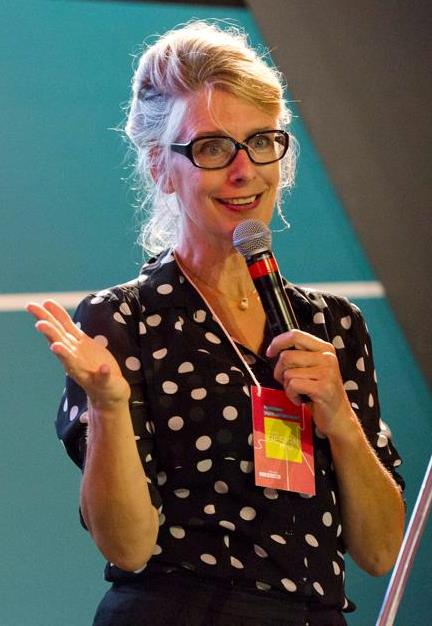
TomWendy Johnson chats with Canberra furniture maker and designer Tom Skeehan about his craft and upcoming first solo exhibition Thought – Process at the DESIGN Canberra Festival.

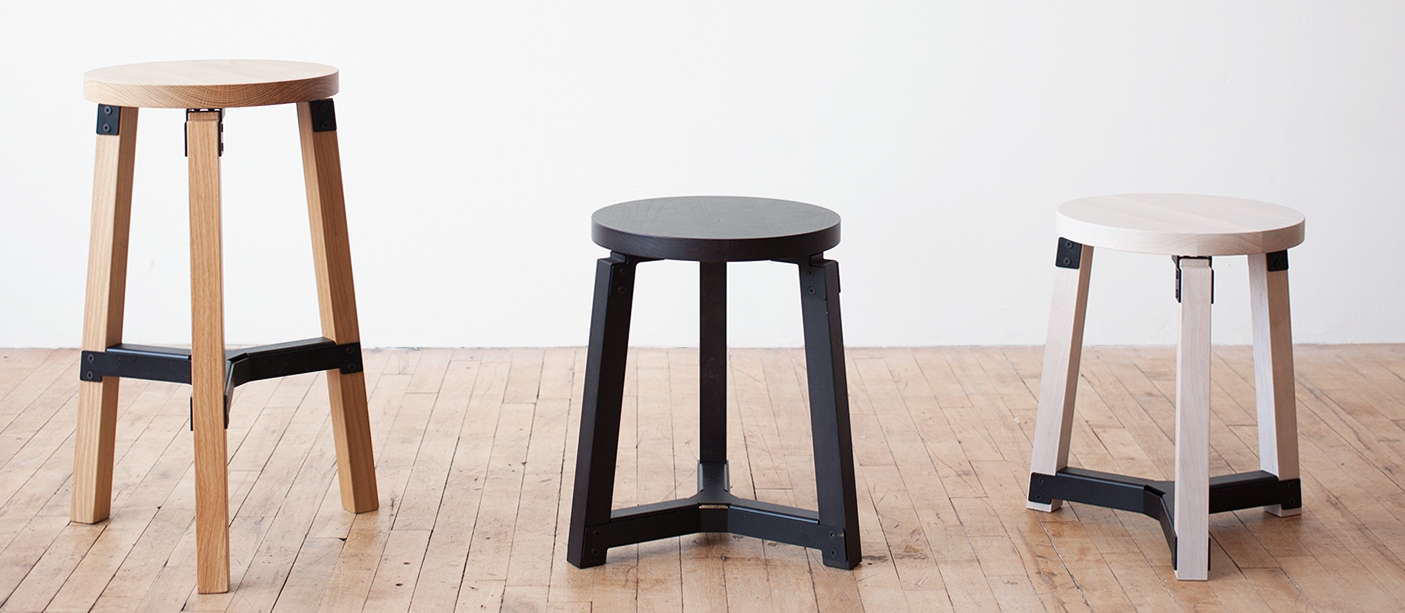
You may not realise it, but chances are you’re already familiar with the work of industrial designer Tom Skeehan. Been to the new XO restaurant in Narrabundah? The chopsticks were designed and produced by Tom’s studio called Skeehan. Been to 86 in Braddon to dine? The stools are by Skeehan. Same with some of the café stools at Barrio. Skeehan also worked on the fitout for Remedy Espresso Bars.
Stools by Skeehan

Stools by Tom Skeehan

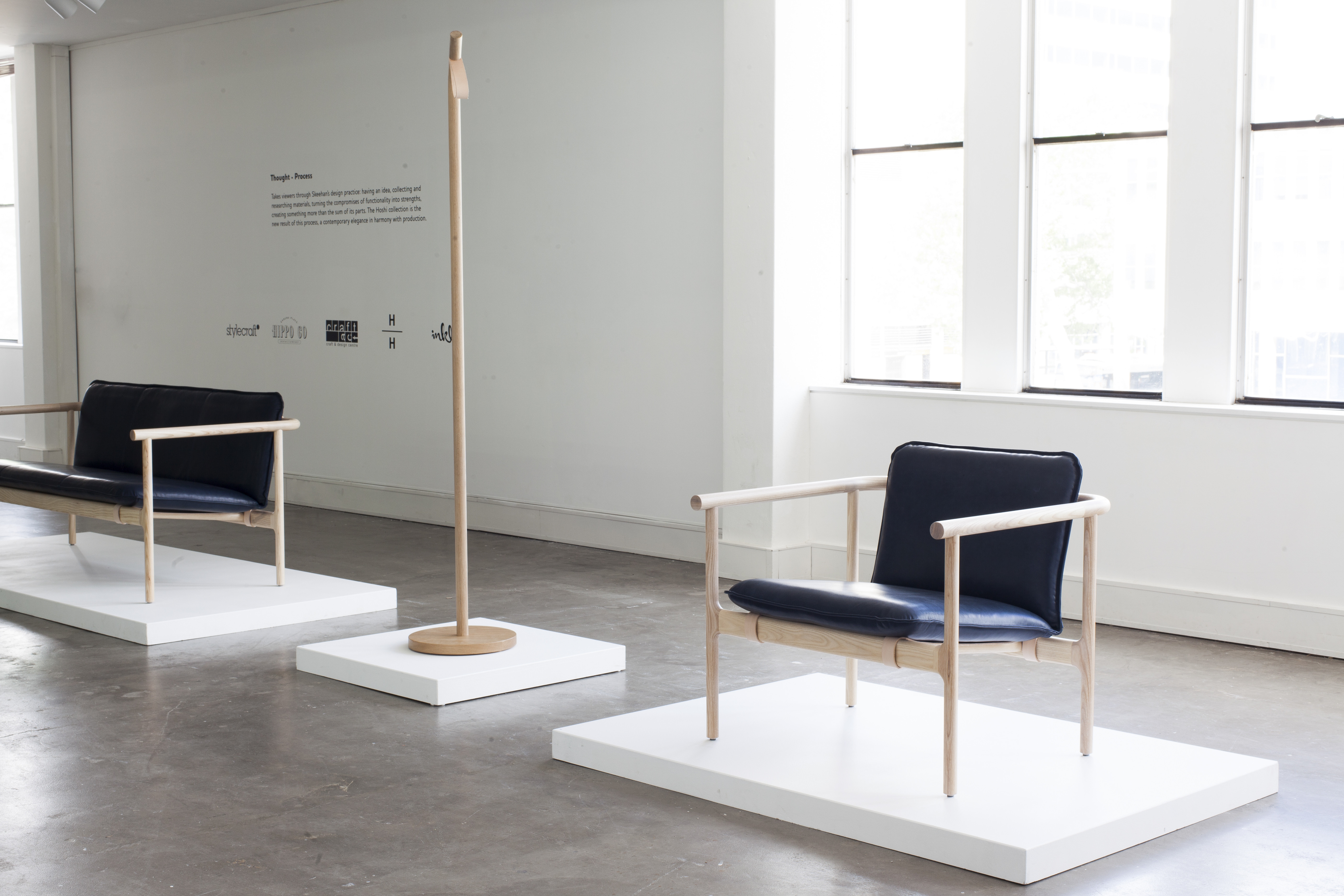
Beyond the world of wining and dining, Canberra toasts Skeehan for being the first from the ACT to be signed by prestigious Stylecraft, which gives the studio instant access to local, national and international buyers of meticulously designed and produced furniture, lighting and other interior products. Skeehan’s new collection, Hoshi, a Japanese word meaning (loosely) ‘star’, is also available for viewing at his first solo exhibition at Craft ACT: Craft and Design Centre. Tom is an Accredited Professional Member and Thought – Process, which officially opened last week, is a sneak peek to the quality of design you can expect throughout the upcoming DESIGN Canberra festival (21 to 29 November).

Thought - Process Exhibition by Tom Skeehan

Thought – Process Exhibition by Tom Skeehan; image by Charlie White

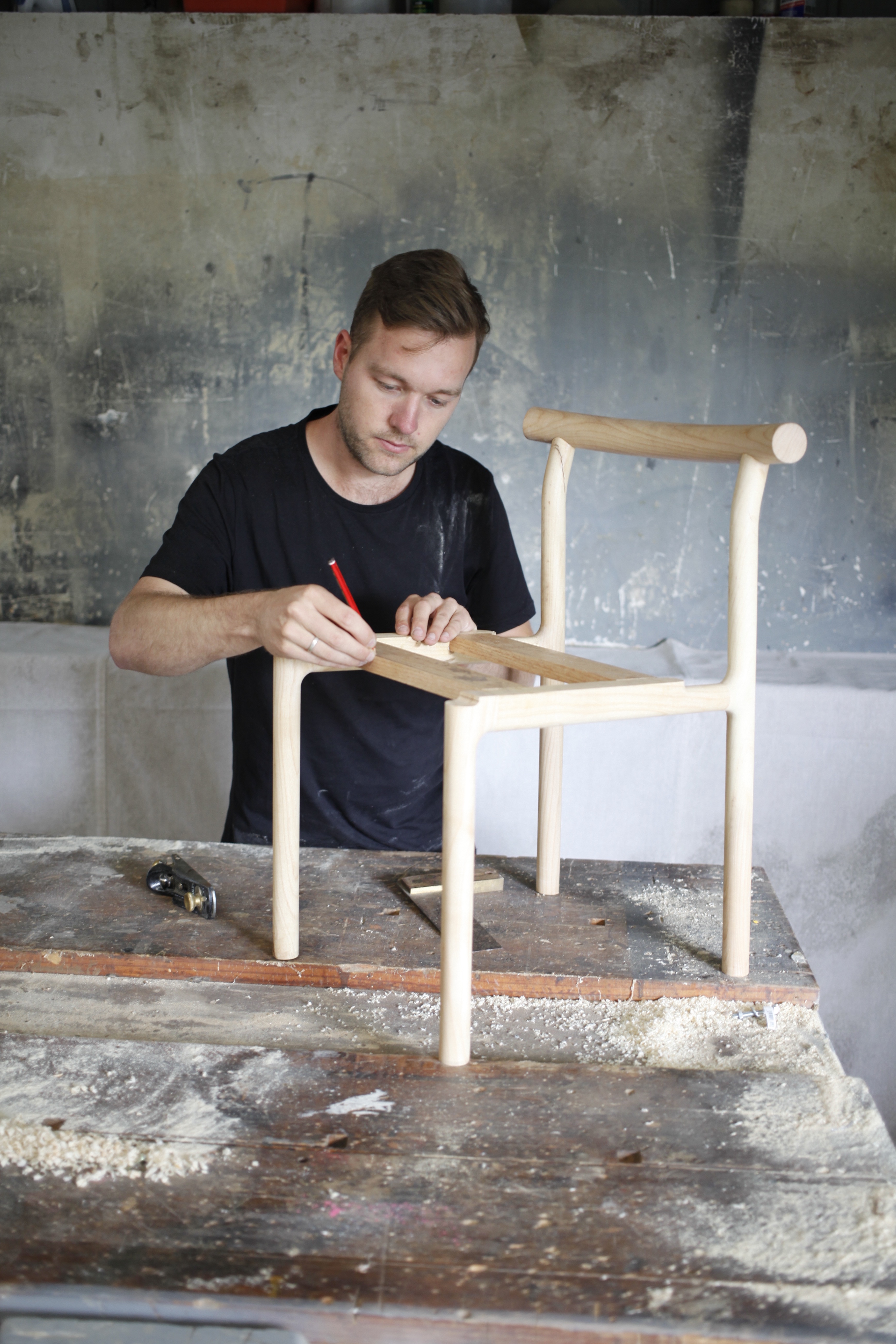
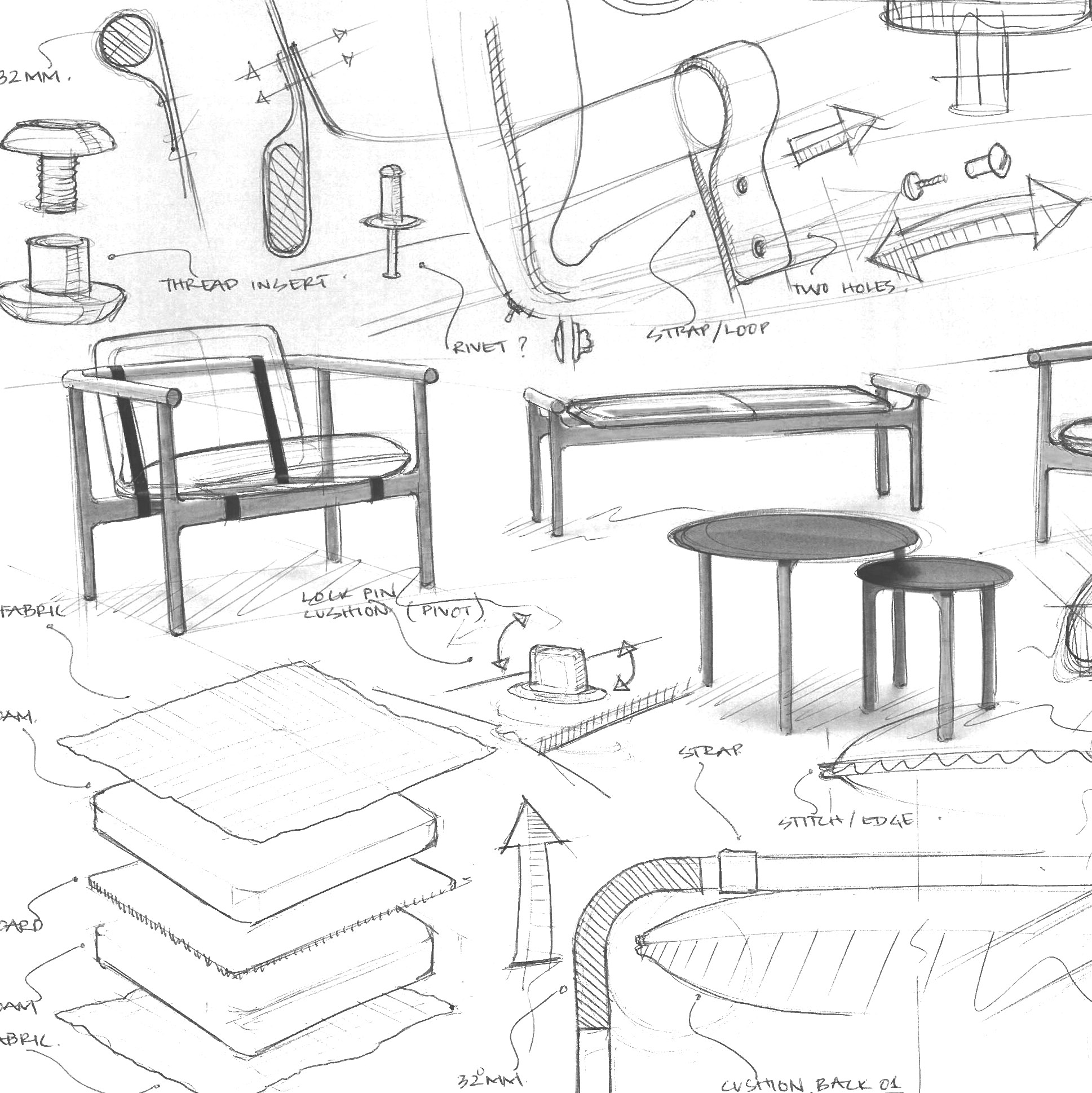
Skeehan studio specialises in commercial furniture, lighting and product design. The Hoshi collection includes a single seated chair, three-seater lounge, coat stand and side table. Working with his hands is in Tom’s blood. His dad is a furniture maker and carpenter who has lived in Canberra for 40 years. “I grew up drawing and tinkering on the job site,” says Tom, who has a drawing by Alex Lundy of his dad’s wooden mallet on his Facebook page.

Skeehan in workshopWhen it came time to study, Tom landed at the Canberra Institute of Technology in the art design program. He then worked with mentor Craig Harris making fine furniture for two years in a workshop in Fyshwick. “I realised I was a maker at that stage, and not a designer, so I went to the University of Canberra to study industrial design,” says Tom. “After a short stint in Sydney I set up Skeehan.”

Thought – Process is all the more fascinating because it includes a ‘process wall’ showcasing the design journey from initial sketches to polished products. Material samples, tools and prototypes all inform the experience.

“The process our studio goes through to create a product involves a series of formal stages,” says Tom. “I think the most important stage, and the one I enjoy the most, is prototyping. This is when an idea is at its biggest and when you’re constantly refining it and pushing the limits.” Tom is currently in Denver, USA, to teach a furniture design class at Metropolitan State University, but he’ll be back in time for DESIGN Canberra.

Process Wall

Process Wall

For the festival, Tom will host a special workshop for children aged 8 to 12 years to open up exciting visual journeys into the world of design drawing. During Drawing our City Tom will get kids exploring, through drawing, some of Canberra’s most exciting architectural elements and next up, the kids can extend their sketches by building simple objects with paper.

Avi Amesbury, Craft ACT CEO/Artistic Director, says DESIGN Canberra increases awareness of our vibrant and diverse craft and design community. “Thought – Process and the children’s workshop offer opportunities for audiences to engage direct with the creative process,” says Avi. “The festival is all about connecting, creating and collaborating.”

Thought Process Exhibition, photo by Charlie White

Thought Process Exhibition by Tom Skeehan; photo by Charlie White

Thought – Process is on throughout DESIGN Canberra (free to the public and drop-ins welcome). Drawing our City is on Saturday 28 November at Craft ACT from 1 to 3pm. It’s also free but bookings are essential (online at craftact.org.au). Check out the full program at www.designcanberrafestival.com.au